Last updated: April 22, 2026
Key Takeaways for Post-Gym Protein
- The strict 30-minute post-workout protein rule is outdated. A moderate protein dose within a 2-hour window supports muscle recovery.1
- Muscle protein synthesis can stay elevated for 12 hours or more after training when you eat enough total protein.
- For muscle growth, a focused 20-25g whey serving within 30-60 minutes supports the immediate recovery response.1
- GLP-1 users benefit from a consistent 20-30g post-workout protein serving to help preserve lean mass during weight loss.1
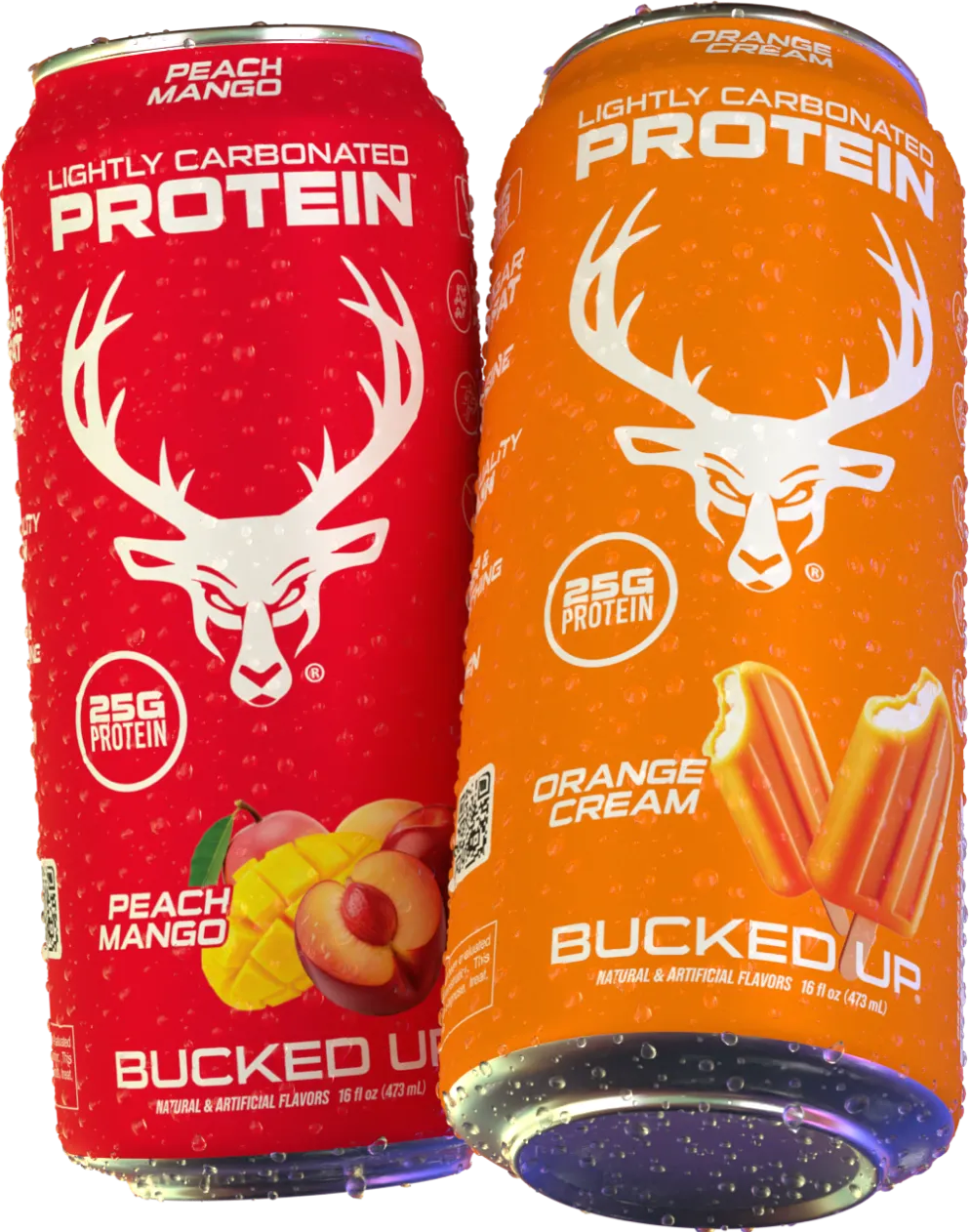
- Whey protein isolate absorbs quickly and contains minimal lactose.1 Bucked Up Protein Soda provides a convenient 25g post-gym option.
Optimal Post-Gym Protein Timing
Muscle protein synthesis (MPS) peaks within 30-60 minutes after resistance exercise, yet the effective window for protein intake extends much longer. MacroFactor’s 2026 review of randomized controlled trials shows that protein consumed within 2-3 hours post-workout supports similar muscle and strength gains when total daily protein intake is adequate.1
A December 2023 study from Maastricht University using quadruple isotope tracers found that 100g protein doses continued stimulating muscle protein synthesis for over 12 hours after resistance exercise1, revealing that muscles remain primed for protein use well beyond the traditional 30-minute window. The optimal timing and amount of protein vary slightly based on your main fitness goal.
| Goal | Optimal Window | Recommended Dose |
|---|---|---|
| Muscle Growth | 30-60 minutes | 20-25g high-quality protein |
| Weight Management | 30 minutes-2 hours (flexible) | 15-25g protein |
| GLP-1 Users | 30-60 minutes (immediate focus) | 20-30g protein |
For convenient protein within this early post-gym window, Bucked Up Protein Soda delivers 25g of rapidly absorbed whey protein isolate in a refreshing, carbonated drink that removes the need for mixing powders or handling thick shakes.1
How Soon After Your Workout to Take Protein
Whey protein isolate absorbs faster than many other protein sources.1 This quick uptake makes the 30-60 minute period after training a practical time to support the immediate muscle protein synthesis response.1
If you ate protein within a few hours before training, the urgency drops because amino acids remain in your bloodstream. Research shows that the body can sustain muscle protein synthesis over roughly 12 hours when total protein intake is sufficient1. This flexibility means timing helps, but your total daily protein matters more.
Post-Gym Protein for Muscle Gain vs Weight Loss
Your post-gym protein plan should match your main goal. For muscle building, consuming 25-100g protein within 30-60 minutes supports a prolonged muscle protein synthesis response1. One analysis found that people eating higher protein gained 27% more lean mass over 12 weeks than those eating less1.
For fat loss, timing becomes more flexible while total intake stays crucial. During a calorie deficit, about 0.99g of protein per lb of body weight helps preserve muscle1. Spreading that protein across 3-5 meals matters more than hitting a precise minute-by-minute post-workout target.
GLP-1 users benefit from a more deliberate approach. Fella Health recommends 0.54-0.68g protein per lb of ideal body weight daily for people on semaglutide or tirzepatide. A focused post-workout serving supports that target and helps counter the muscle loss risk that can accompany rapid weight reduction.1
What Happens If You Skip Protein After a Workout
Skipping protein right after a workout does not instantly stop muscle growth, but it can limit your recovery potential. Without timely protein, muscle protein synthesis rates can dip, which may extend recovery and reduce training adaptations.
The impact can be more serious for people using GLP-1 medications. Clinical studies show that 20-40% of weight lost on GLP-1 receptor agonists can come from lean mass rather than fat. Consistent post-workout protein helps protect muscle while you manage your weight.1
Why Choose Whey Protein Isolate After the Gym
Whey protein isolate goes through advanced filtration that yields at least 90% pure protein on a dry matter basis. This high purity supports rapid absorption, which suits the post-workout period when muscles are ready to use amino acids.1 A typical 25-gram serving provides about 2.5 grams of leucine, a key amino acid for triggering muscle protein synthesis1.
Whey protein isolate usually contains fewer fats and carbohydrates than concentrate and is processed to remove most lactose. This profile can reduce digestive discomfort compared to concentrate.1 The cleaner formula works well for people with lactose sensitivity and for anyone who wants fast nutrient delivery without heavy digestion.
Convenient Post-Gym Protein Options
Traditional protein shakes often require prep time and can feel heavy or chalky. Bucked Up Protein Soda addresses these issues by providing 25g of whey protein isolate in a ready-to-drink, lightly carbonated can with only 100 calories and zero sugar.
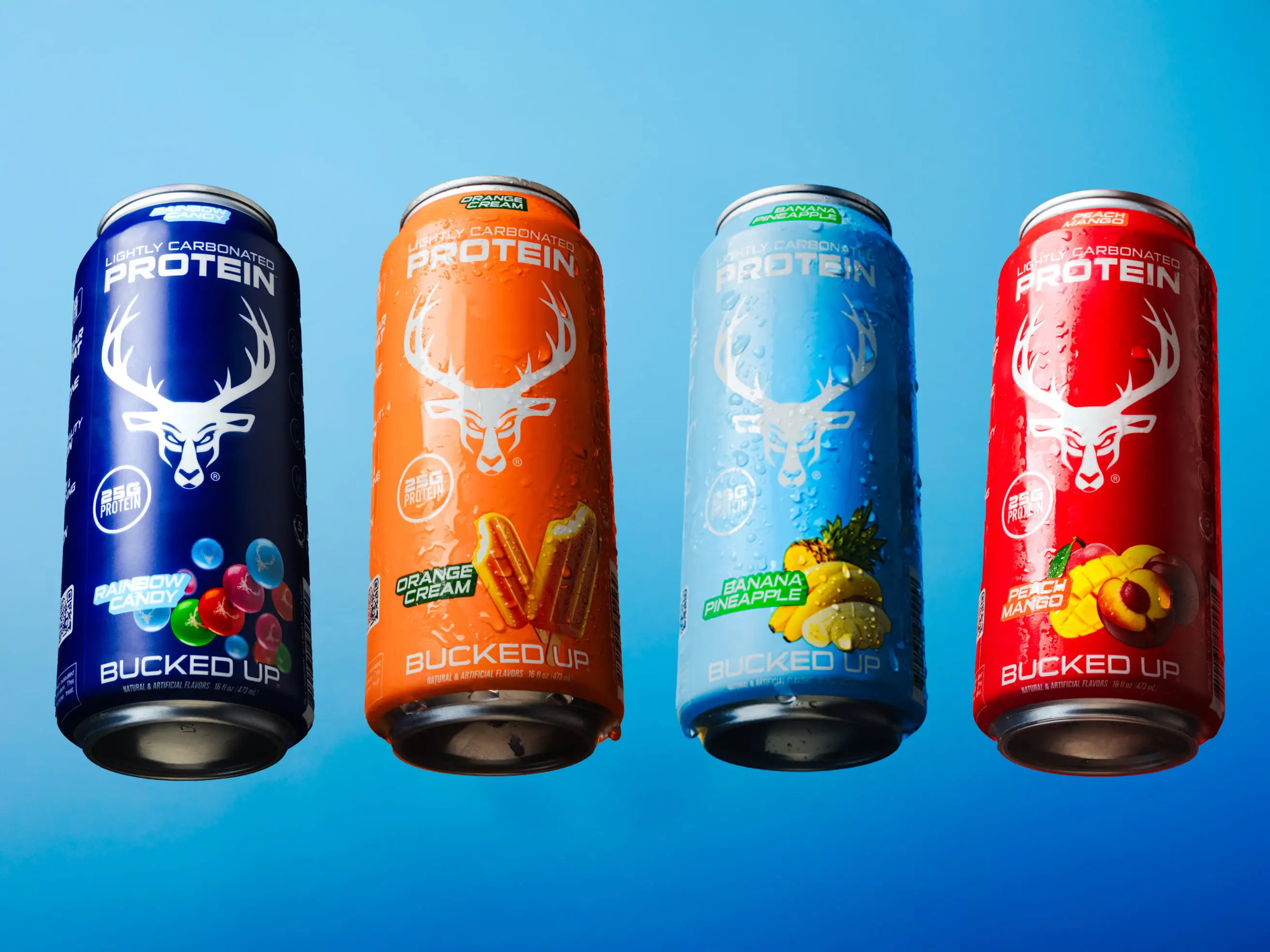
Compared to some ready-to-drink options like Premier Protein, which can use whey protein concentrate, Bucked Up uses whey protein isolate for a faster-absorbing protein source.1 The carbonated format offers a crisp, refreshing experience instead of a thick, creamy texture that can feel heavy right after training.
Shop now to see how a lighter protein drink can fit into your post-gym routine.
Protein Shakes While Using GLP-1 Medications Like Ozempic
People taking GLP-1 receptor agonists can safely include protein shakes and often benefit from prioritizing them for muscle preservation. The SURMOUNT-1 trial reported meaningful lean muscle loss as part of total weight reduction on GLP-1 RAs, which makes consistent protein intake and supplementation especially valuable.
Dietitians often recommend cold proteins and liquid formats during dose escalation because they tend to be better tolerated when gastrointestinal symptoms occur. Bucked Up Protein Soda’s light, carbonated format can work well for GLP-1 users who struggle with heavy foods or dense shake textures.
Frequently Asked Questions
Does carbonation affect protein absorption?
Carbonation does not reduce protein absorption. The whey protein isolate in Bucked Up Protein Soda keeps its bioavailability and absorption rate regardless of the bubbles.1 The light effervescence may even feel easier on the stomach for some people compared to thick, creamy protein drinks.
Is Bucked Up suitable for daily post-gym use?
Bucked Up Protein Soda can work as a daily post-workout protein source. With a 25g serving of whey protein isolate, zero sugar, and only 100 calories per can, it fits within the flexible post-exercise window while supporting your overall protein goals.1
What is the difference between whey isolate and concentrate?
Whey protein isolate goes through more processing than concentrate, which raises protein purity to about 90% or higher compared to roughly 70-80% in concentrate. Isolate typically absorbs faster and contains very little lactose or fat.1 These traits make it a strong option for immediate post-workout use and for people who are sensitive to lactose.
What is the 2-hour protein rule?
The 2-hour protein rule reflects updated research showing that the post-workout anabolic window is more flexible than the old 30-minute guideline. This broader window, combined with a daily target of about 0.73-1.0g of protein per lb of body weight, gives you room to time your shake around your schedule instead of rushing.
Conclusion: Putting Post-Workout Protein into Practice
Research supports a flexible 30-minute to 2-hour post-workout window for a moderate whey protein serving, while emphasizing that total daily protein intake drives most of your results. Aiming for 0.73-1.0g of protein per lb of body weight each day creates a solid base for recovery and growth.
Bucked Up Protein Soda offers a practical post-gym option with 25g of rapidly absorbed whey protein isolate in a refreshing, convenient can that removes prep time and avoids heavy textures.1 Whether your focus is muscle gain, weight management, or training while on GLP-1 medications, this style of protein drink can fit smoothly into your routine.
Fuel your post-gym recovery with Bucked Up Protein Soda today. Shop now and put smart protein timing to work for your fitness goals.
1 The content provided in this article is for informational purposes only and is not medical advice. Consult with a medical professional before implementing any changes to your diet, health, or exercise routines.
Individual results will vary and are based on a combination of each individual’s diet, exercise, age, and health circumstances.
These statements have not been evaluated by the Food and Drug Administration. This product is not intended to diagnose, treat, cure or prevent any disease.
This article was written by Ryan Gardner, CEO of Bucked Up. As the maker of Bucked Up Protein Soda, we have a financial interest in this information. The views expressed are our own and should be read with that context in mind.