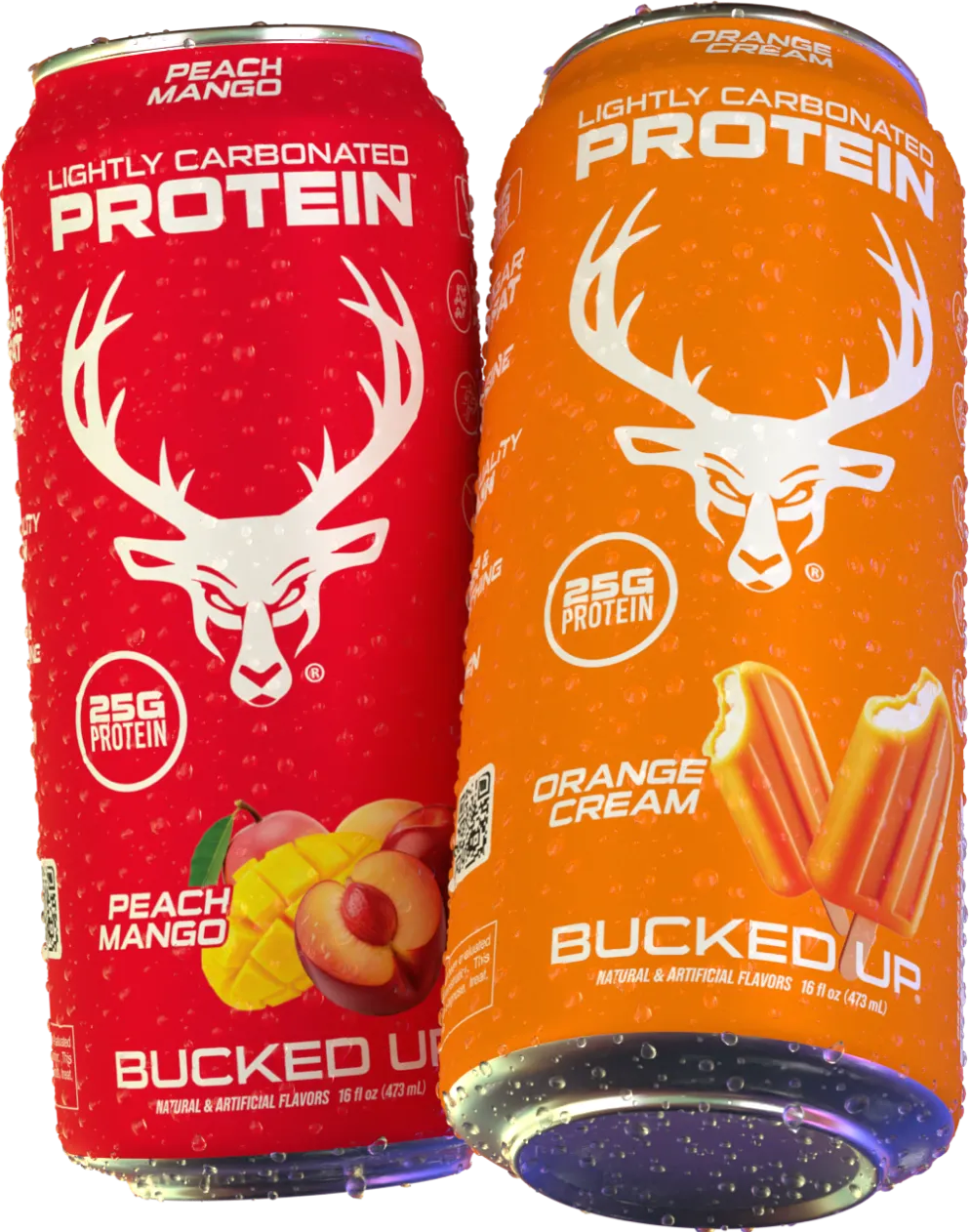
Last updated: April 22, 2026
Key Takeaways
- Carbonated protein sodas combine whey protein isolate, carbonated water, acidifiers, zero-calorie sweeteners, and preservatives to create a refreshing, high-protein drink.
- Whey protein isolate often performs well in carbonated formats because of its high purity, acid stability, complete amino acids, and clear appearance compared with many plant or collagen proteins.
- These drinks can support goals like muscle recovery, weight management, keto-style eating, and GLP-1 use through low-calorie, zero-sugar formulations with unchanged protein absorption.1
- Bucked Up can stand out with 25g of 100% whey isolate, 0g carbs and sugar, straightforward additives, and GMP-certified US manufacturing compared with several competitors.
- Choosing a quality carbonated protein soda such as Bucked Up Protein Soda can help you cover daily protein needs while still enjoying flavor and convenience.1
Core Ingredients in Carbonated Protein Sodas
Carbonated protein sodas rely on a few core ingredient groups that create a stable, good-tasting, and high-protein drink.
- Protein Sources: Whey protein isolate (10-30g per serving) is the preferred choice for clear protein beverages due to its exceptional purity and acid stability. Some brands use plant-based pea protein (10g in Koia Protein Pop) or collagen peptides.
- Carbonated Water Base: Carbonated water provides the fizz that separates these drinks from traditional protein shakes.
- Acidifiers: Citric acid, malic acid, and phosphoric acid help control pH and sharpen flavor.
- Sweeteners: Sucralose and premium stevia leaf extract blends add sweetness without sugar.
- Preservatives: Sodium benzoate and potassium sorbate support shelf stability and safety.
- Optional Additives: Some formulas include electrolytes, vitamins, or prebiotic fibers for extra functional benefits.
The protein source plays a major role in clarity, taste, and nutrition. Milk protein, casein, and soy protein can denature in acidic low pH conditions, which often causes cloudiness, poor solubility, and off-flavors. These effects make whey protein isolate a practical choice for many carbonated applications. Experience the clarity and taste of pure whey isolate in Bucked Up’s carbonated format.
Because protein quality drives both drink performance and nutrition, the protein source deserves a closer look in carbonated sodas.
Protein Source Deep-Dive: Why Whey Isolate Works Well
Whey protein isolate undergoes more rigorous filtration, resulting in 90% protein concentration with minimal fat and lactose. This profile makes it a strong fit for carbonated beverages.
This processing creates a protein that dissolves fully in acidic environments. It helps avoid the cloudiness or grainy textures that often appear with other protein types.
Whey protein isolate provides complete amino acid profiles essential for muscle protein synthesis.1
Bucked Up Protein Soda uses 100% whey protein isolate to deliver 25g of complete protein per can. This approach supports bioavailability and digestive comfort.1 It can also differ from products that blend several protein sources or rely on concentrates.
Health Perspective on Carbonated Protein Drinks
Carbonated protein drinks can fit into most diets when they use quality ingredients. The carbonation process does not reduce protein absorption or bioavailability, so these drinks can support daily protein targets as effectively as many traditional protein options.1
These beverages can help people managing weight or using GLP-1 medications who struggle with solid food intake.1 Current research is evaluating how carbonated protein beverages affect post-meal amino acid response and satiety. Early hypotheses point toward possible improvements in appetite hormone response and fullness.
Low-calorie, zero-sugar formulations common in many carbonated protein sodas can also fit ketogenic and other low-carbohydrate approaches while supporting muscle maintenance and recovery.1
To see how different brands put these principles into practice, it helps to compare their ingredient choices side by side.
Brand Comparison: Ingredient Analysis
The table below highlights how leading carbonated protein sodas differ in protein type, calories, carbohydrates, sugar, and key additives. Use it to spot trade-offs in protein quality, calorie density, and sweetener or preservative choices.
| Brand | Protein Type/Amount | Calories/Carbs/Sugar | Key Additives |
|---|---|---|---|
| Bucked Up | 100% Whey Isolate/25g | low calories/0g carbs/0g sugar | Natural flavors, citric acid, sucralose |
| Koia Protein Pop | Clear Pea Protein/10g | 70 calories, 9g carbs, and 2g sugar per 12 fl oz serving | Stevia, monk fruit, prebiotic fiber |
| Genius Gourmet | Whey Isolate + Collagen/30g | 130 calories, 1g carbs, and 0g sugar per 12 fl oz serving | Sucralose, sodium benzoate, multiple acids |
| Protein Pop Plus | Whey Isolate + Collagen/30g | 130 calories, 2g carbs, and 0g sugar | Premium stevia blend, no artificial sweeteners |
Bucked Up uses 100% whey protein isolate, which delivers the complete amino acids described earlier. Some competitors blend whey isolate with collagen to reach higher total protein numbers, which can change the overall amino acid balance compared with pure whey isolate. For efficient protein delivery, compare protein per calorie across brands to see which drinks provide the most nutritional value per serving.
Now that you have a sense of how several brands stack up, you can look more closely at Bucked Up’s specific ingredient profile.
Bucked Up Protein Soda Ingredient Profile
Bucked Up Protein Soda uses a straightforward ingredient list with 25g of 100% whey protein isolate, carbonated water, natural flavors, citric acid, malic acid, sucralose, potassium sorbate, sodium benzoate, and acesulfame potassium per can.
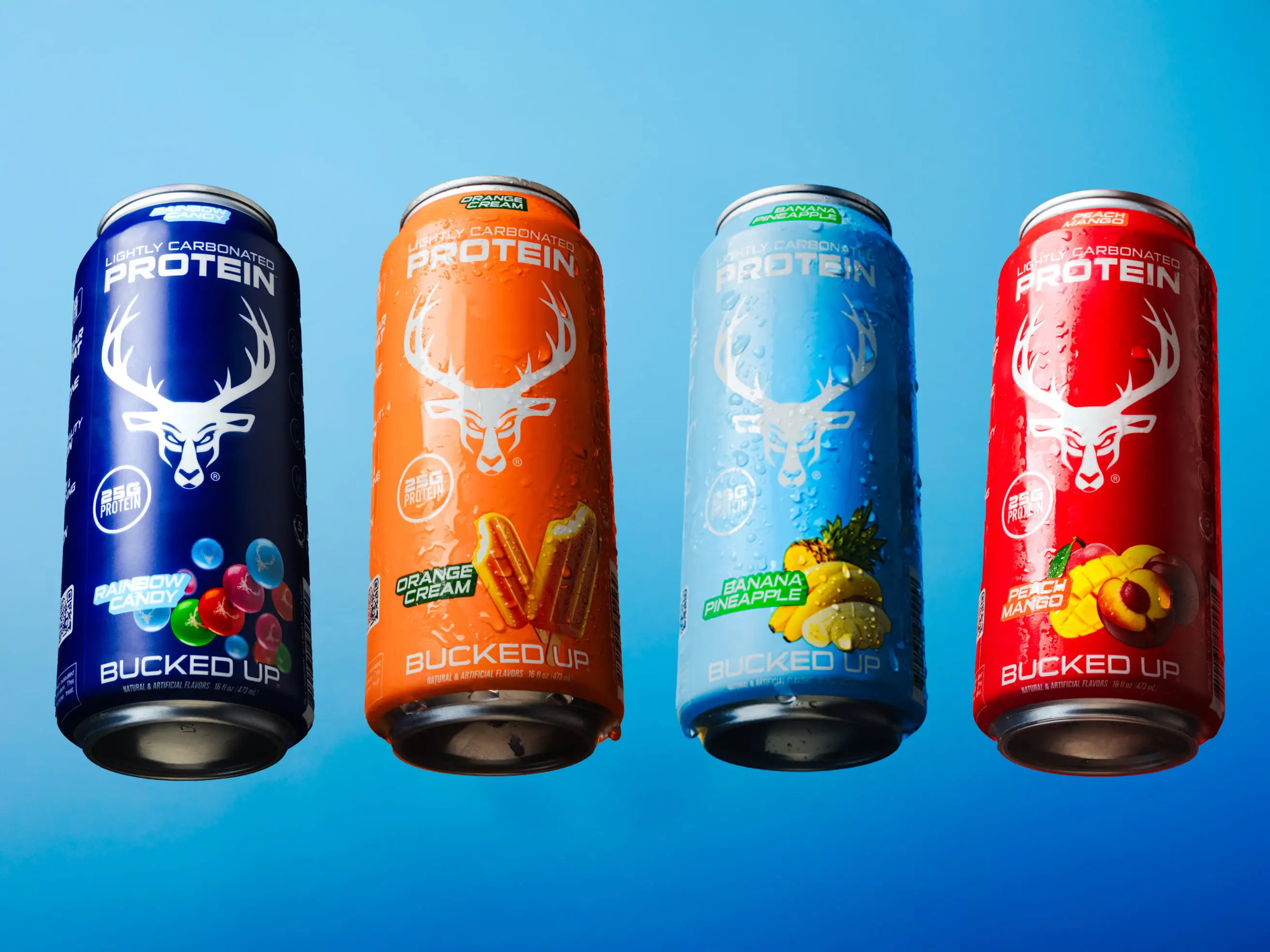
This formula supplies the full spectrum of muscle-building amino acids your body needs for protein synthesis and recovery.1 Beyond protein quality, each can contains 0g carbs and 0g sugar, which supports the blood glucose management and ketogenic compatibility discussed earlier.1
Manufacturing takes place in GMP-certified facilities in the USA, which supports consistent quality standards. Try GMP-certified protein soda made in the USA and see how quality manufacturing can affect taste and experience.
Knowing how these ingredients work together also gives you a framework for experimenting with your own carbonated protein creations at home.
DIY Carbonated Protein Recipe and Usage Tips
You can test a simple homemade carbonated protein drink using basic ingredients. Start by combining 25-30g whey protein isolate with 12-16 oz carbonated water in a large glass or shaker.
Add about 1/4 teaspoon citric acid for tartness, then sweeten with stevia or monk fruit to taste. Stir or shake very gently to keep as much carbonation as possible, and drink it soon after mixing for the best fizz and flavor.
Conclusion: Using Ingredient Knowledge to Choose Your Soda
A clear understanding of carbonated protein soda ingredients helps you choose products that match your goals. Strong formulations focus on whey protein isolate for absorption and clarity and keep unnecessary additives to a minimum.
Bucked Up Protein Soda reflects these ideas with its simple, effective ingredient list and pure whey isolate base. Get your carbonated protein soda today and experience a different way to hit your protein targets.
Frequently Asked Questions
What makes whey protein isolate effective in carbonated drinks?
Whey protein isolate goes through extensive filtration to reach about 90% protein concentration with very little fat and lactose. This process supports excellent solubility in acidic, carbonated environments and helps prevent cloudiness or gritty textures.
Compared with many plant proteins or collagen, whey isolate supplies the complete amino acid profile needed for muscle protein synthesis and recovery.1 Its rapid absorption can make it a practical choice for post-workout use and daily protein intake.1
Are carbonated protein sodas safe for daily consumption?
Carbonated protein sodas that use quality ingredients can fit into daily routines as part of a balanced diet. The carbonation step does not reduce protein bioavailability or safety.
These drinks can help people who struggle to meet protein needs from whole foods alone, those managing weight, or individuals on GLP-1 medications who find solid food challenging.1 For personalized advice, consult a healthcare professional or registered dietitian.
How do sweeteners in protein sodas affect health and taste?
Many modern protein sodas use FDA-approved sweeteners such as sucralose, stevia, or monk fruit to keep sugar at zero while maintaining flavor.1 These ingredients have established safety profiles when consumed within recommended limits.
Thoughtful sweetener blends can create a taste similar to traditional soda while supporting weight management and blood glucose control.1 Brands often adjust ratios to reduce aftertaste and keep the drink crisp and refreshing.
Can carbonated protein drinks replace traditional protein shakes?
Carbonated protein drinks can replace traditional shakes for many people, especially those who dislike thick, creamy textures. When they use quality whey protein isolate, the protein content and bioavailability can be comparable to many standard shakes.1
The lighter, more refreshing feel may encourage more consistent protein intake for some users. Personal taste, digestion, and overall nutrition goals should guide whether you choose carbonated drinks, classic shakes, or a mix of both.
What should I look for when choosing a carbonated protein soda?
Start by checking the protein source and amount, and look for 100% whey protein isolate if you want the complete amino acids described earlier. Review the label for clear ingredient lists and transparent protein information.
Consider whether the drink includes collagen or plant proteins and how that aligns with your goals. You can also weigh factors such as zero-sugar formulations for weight management, caffeine-free options for evening use, and GMP-certified manufacturing for added quality assurance. Finally, compare protein per calorie to find options that match your nutritional priorities.
1 The content provided in this article is for informational purposes only and is not medical advice. Consult with a medical professional before implementing any changes to your diet, health, or exercise routines.
Individual results will vary and are based on a combination of each individual’s diet, exercise, age, and health circumstances.
These statements have not been evaluated by the Food and Drug Administration. This product is not intended to diagnose, treat, cure or prevent any disease.
This article was written by Ryan Gardner, CEO of Bucked Up. As the maker of Bucked Up Protein Soda, we have a financial interest in this information. The views expressed are our own and should be read with that context in mind.