Last updated: April 22, 2026
Key Takeaways
- Whey protein isolate goes through a multi-step filtration process that removes nearly all lactose and fat for fast absorption.1
- Compared to whey concentrate, isolate typically digests faster and carries a lower bloating risk due to minimal fat and lactose per serving.1
- Lower fat and lactose content supports quicker gastric emptying, which helps deliver amino acids soon after your workout.1
- Hydrolyzed whey can digest even faster because enzymes break proteins into smaller peptides that your body absorbs more easily.1
- For fast-digesting whey isolate in a refreshing soda format, try a carbonated option that supports recovery without added digestive stress.1
How Whey Isolate Processing Speeds Up Digestion
Whey protein isolate starts as liquid whey from milk and becomes a fast-digesting powder through several targeted processing steps. Each stage removes components that can slow digestion or cause discomfort.
1. Liquid Whey from Milk (Cheese-Making): Fresh cow’s milk undergoes pasteurization at 72°C (161°F) for 15 seconds, followed by rennet enzyme treatment that separates curds from liquid whey. This first step removes most casein proteins and solids, leaving a liquid base that contains about 0.8% protein.
2. Ultrafiltration to Concentrate: Membrane filtration traps whey proteins while removing bacteria and fat, and larger protein molecules are retained and concentrated while smaller water, lactose, minerals, and fats pass through. This step raises protein concentration to roughly 70% to 80%.
3. Microfiltration for Purity: Microfiltration and ultrafiltration act as membrane filtration techniques that physically separate protein molecules from lactose and fat based on molecular size. Ceramic filters create a gentler process that preserves protein structure while removing more fat and lactose.
4. Ion-Exchange or Cross-Flow Isolation: Whey protein isolate requires further filtration to reach 90% or higher protein purity with minimal fats and carbohydrates. Multiple rounds of ultrafiltration or microfiltration can achieve 90% to 95% protein purity while removing nearly all lactose (less than 1%) and fat.
5. Optional Hydrolysis: Enzymatic hydrolysis breaks down long protein chains into smaller peptides, which can support easier digestion and quicker absorption compared to regular whey protein. This optional step can further speed amino acid delivery into the bloodstream.
Each processing step targets digestion speed by reducing fat and lactose that may slow gastric emptying or cause discomfort.1 These processing advantages translate into measurable absorption rates once you drink or eat the final product.
Is Whey Isolate Fast Digesting?
Whey protein isolate digests quickly, with blood amino acid spikes often occurring within 15 to 30 minutes after ingestion.1 A 2026 study by Petkova et al. on whey versus plant-based protein in healthy adults supports this rapid metabolic response.
This speed advantage comes from isolate’s high purity. Whey protein isolate is stripped of most fats and lactose, with minimal carbs and fats (about 0.5g fat and 1g total carbohydrates per 28g serving). When you compare digestion speed to whole foods or concentrate forms, these lower fat and lactose levels can support faster gastric emptying.1
Whey Isolate vs Concentrate Digestion
The processing differences between whey isolate and whey concentrate create clear changes in digestion speed and composition. The comparison below shows how extra filtration for isolate can support faster absorption and reduce digestive discomfort for some people.
| Metric | Whey Isolate (approx. 90% protein) | Whey Concentrate (70-80% protein) |
|---|---|---|
| Digestion Time | 15-30 minutes | 30-60 minutes |
| Lactose Content | Often under 1g per serving | Higher than isolate |
| Fat Content | Often under 1g per serving | About 2-5g per serving |
| Bloating Risk | Lower for many users | Higher for some users |
Whey protein isolate can be absorbed more quickly than whey protein concentrate due to its lower fat and lactose content.1 When you compare products, look at how additional filtration steps may create a cleaner protein source that some people find easier on digestion.
Why Whey Isolate Absorbs Faster and How Hydrolyzed Whey Compares
Whey isolate absorbs quickly because of its composition and structure. The filtration process concentrates protein, reduces lactose and fat, and supports a rapid rise in blood amino acids after you drink it.
- Rapid amino acid delivery supports immediate post-workout use by your muscles.1
- High protein purity and reduced non-protein components help your body process the shake more quickly.
Hydrolyzed whey represents a further step toward speed. A randomized controlled trial found that hydrolyzed protein led to faster digestion and higher plasma amino acid appearance compared with intact protein. Hydrolysis breaks long protein chains into smaller peptides, which many people digest and absorb more easily than standard whey isolate.1
Fast Digestion in Ready-to-Drink Protein: Bucked Up and Other Options
Understanding how isolate and hydrolyzed whey behave in your body helps when you compare different product formats. Powder forms offer flexibility, while ready-to-drink options can deliver these fast-digesting benefits with no mixing or cleanup.
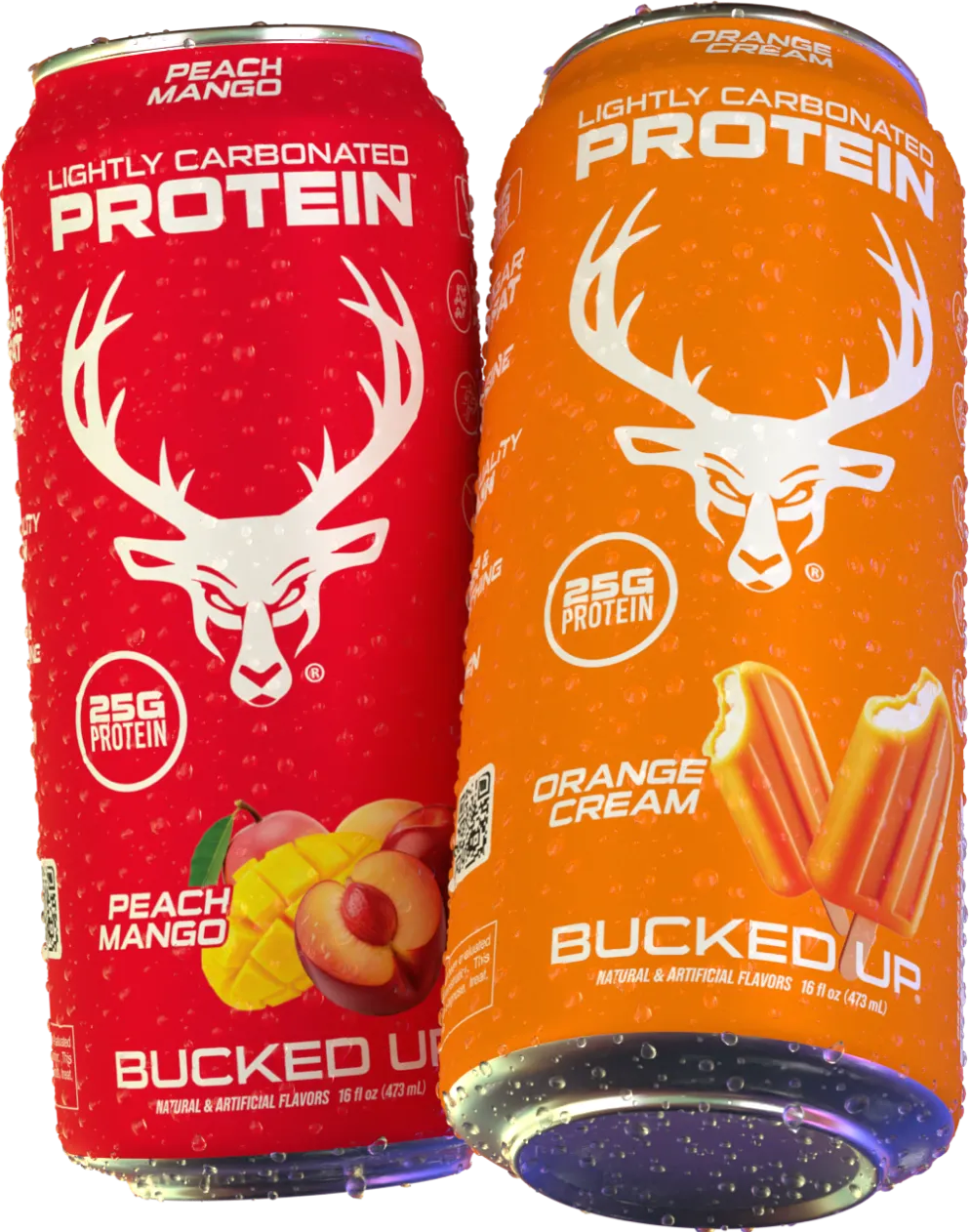
Bucked Up Protein Soda uses whey isolate in a carbonated, ready-to-drink format, providing 25g of protein in about 100 calories. This clear, refreshing style can feel different from traditional ready-to-drink shakes that may rely on concentrate blends or add collagen to raise total protein numbers.
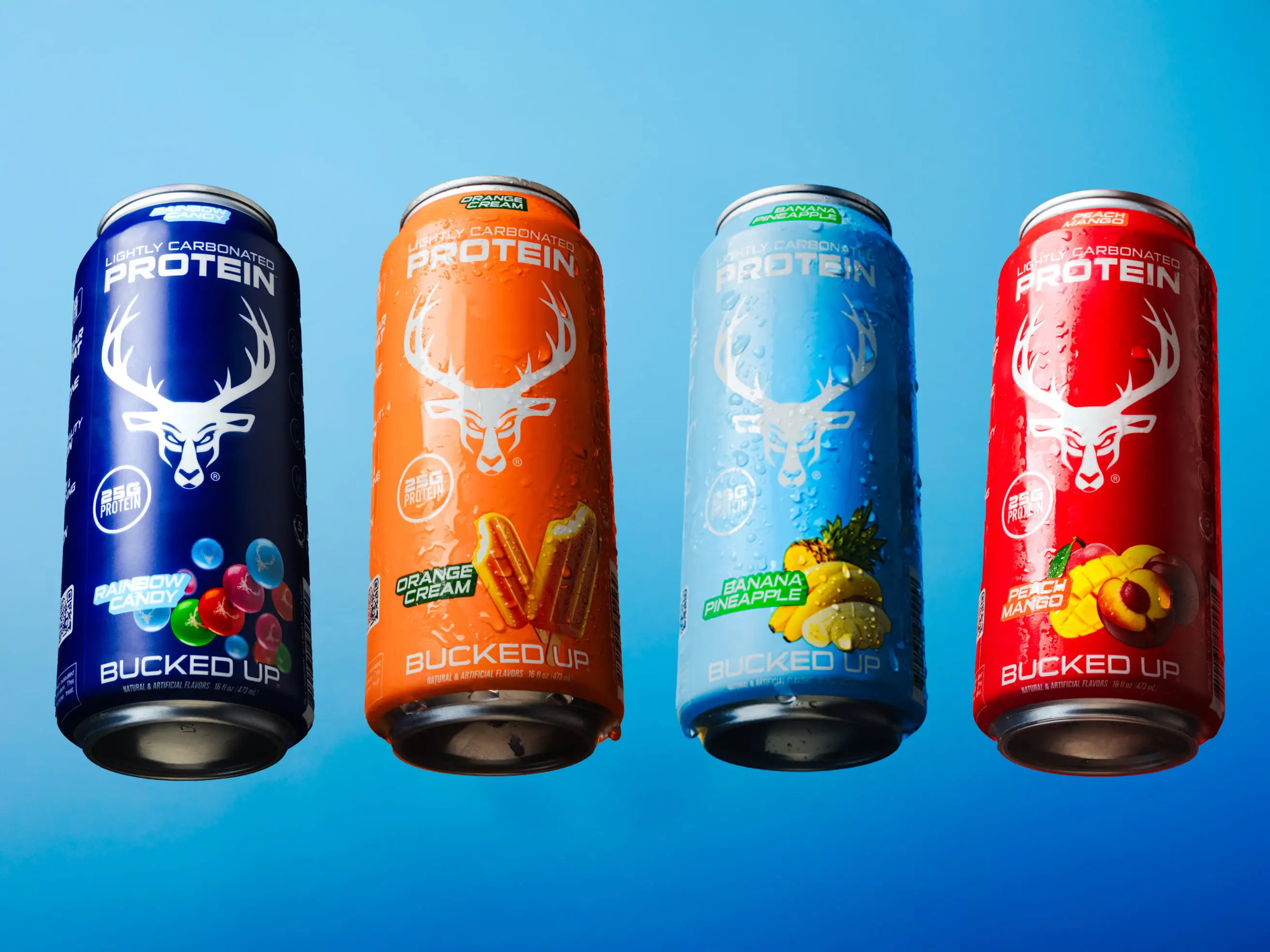
This clear, refreshing approach can contrast with traditional RTD competitors that may use concentrate blends or add collagen to boost protein numbers. To understand this distinction, consider how other RTD products approach protein sourcing.
Products like Premier Protein and Muscle Milk can use whey concentrate, which may contain higher lactose and fat levels. Bucked Up’s isolate-only formula can support faster gastric emptying for many users, which may appeal to people on GLP-1 medications who want easily digestible protein options.1 Always check ingredient labels for each product to confirm the specific protein source.
The carbonated format offers practical advantages for gym-goers focused on post-workout recovery.1 Because the light, effervescent texture can feel more drinkable than thick shakes, it may encourage you to finish a full serving right after training when rapid amino acid availability matters most.
Try Bucked Up’s carbonated protein format for post-workout recovery.1
Choosing the Right Fast-Digesting Protein Format
Fast-digesting protein products vary in purity, convenience, and how they fit your daily routine. A simple checklist can help you match the format to your goals.
First, look at protein purity and type. Decide whether you want whey isolate, hydrolyzed whey, or a blend that includes concentrate. Next, think about format convenience and when you usually drink protein. Powders work well at home, while ready-to-drink cans can be easier at the gym, in the car, or at work.
Finally, review dietary fit. Check sugar content, carb levels, and any added ingredients that may affect your plan. For people who want fast absorption with no prep time, Bucked Up Protein Soda combines whey isolate processing with a convenient ready-to-drink, carbonated format. The zero-sugar, zero-carb formulation can support keto and low-carb approaches while still delivering a complete amino acid profile.1
Frequently Asked Questions
Does carbonation affect protein absorption?
Light carbonation does not interfere with whey protein isolate absorption.1 The fizz mainly affects mouthfeel and refreshment, not the protein’s rapid digestion characteristics. Bucked Up’s carbonated format keeps the fast-absorption profile of whey isolate while offering a different drinking experience than traditional flat protein shakes.
What is the difference between isolate and hydrolyzed whey digestion?
Whey isolate supports rapid absorption through advanced filtration that removes most lactose and fat.1 Hydrolyzed whey adds an enzyme step that pre-breaks protein chains into smaller peptides, which can further speed absorption for some people.1 When you compare them, remember that both forms tend to digest faster than concentrate, with hydrolyzed whey adding one more processing stage.
Is whey isolate safe for daily consumption on GLP-1 medications?
Many people on GLP-1 medications tolerate whey protein isolate well because of its light liquid format and relatively easy digestion. This can help preserve muscle mass during weight loss phases when appetite is lower and solid food intake may drop.1 Always talk with your healthcare provider before adding any supplement while you are using prescription medications.
How quickly does whey protein digest post-workout?
Whey protein isolate can reach peak amino acid levels in the bloodstream within about 30 to 60 minutes after you drink it.1 You can use this timing to line up your intake with your post-workout recovery window. Compare absorption rates with concentrate or whole food proteins by checking each product’s purity and processing details.
Can I replace all my protein shakes with carbonated protein drinks?
Carbonated protein drinks like Bucked Up Protein Soda can replace traditional protein shakes for many people who prefer a lighter texture. Each can with 25g of whey isolate can support muscle-building goals in a similar way to many powder-based shakes.1 The main differences involve taste, mouthfeel, and convenience rather than core protein function.
Conclusion
Fast-digesting whey isolate can support recovery in roughly 30 to 60 minutes when you choose products that use advanced filtration.1 Bucked Up Protein Soda applies these processing methods in a convenient, carbonated format that many users find easier on the stomach.
Experience fast-absorbing, bloat-free whey isolate in Bucked Up Protein Soda.1
1 The content provided in this article is for informational purposes only and is not medical advice. Consult with a medical professional before implementing any changes to your diet, health, or exercise routines.
Individual results will vary and are based on a combination of each individual’s diet, exercise, age, and health circumstances.
These statements have not been evaluated by the Food and Drug Administration. This product is not intended to diagnose, treat, cure or prevent any disease.
This article was written by Ryan Gardner, CEO of Bucked Up. As the maker of Bucked Up Protein Soda, we have a financial interest in this information. The views expressed are our own and should be read with that context in mind.