Last updated: April 22, 2026
Key Takeaways
- Whey isolate protein delivers about 83-90% protein by weight with very little fat, carbs, and under 1% lactose for fast absorption and muscle support.1
- Compared to whey concentrate, isolate offers higher protein density, lower lactose, and quicker digestion, which can help lactose-sensitive users.1
- Key benefits include muscle building from high leucine and BCAAs, support for weight loss through fullness at low calories, and muscle preservation for GLP-1 users.1
- Choose third-party tested products such as NSF or Informed-Sport certified options to confirm purity, heavy metal screening, and absence of banned substances.
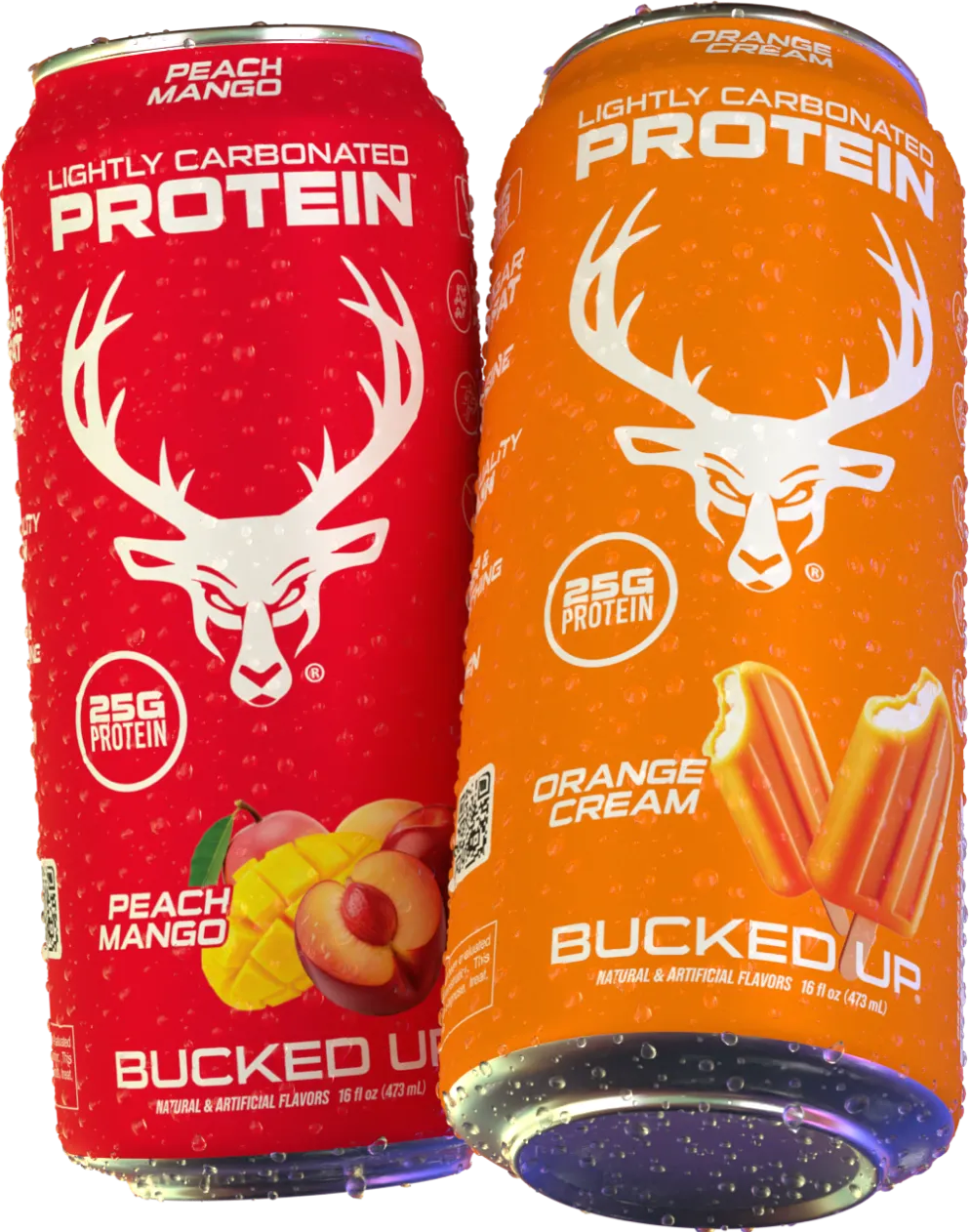
- Try refreshing whey isolate with Bucked Up Protein Soda, which provides 25g protein, 100 calories, and zero sugar for convenient recovery.1
What Whey Isolate Protein Delivers
Whey protein isolate goes through intensive filtration that creates a very pure protein powder. High-quality whey protein isolate powders contain about 83-90% protein by weight per serving with few added fillers. This filtration removes most lactose, reaching less than 1% lactose content, and keeps total carbohydrates and fats under 2 grams per serving.
This lean nutritional profile supports rapid absorption and muscle protein synthesis.1 Products like Nutri&Co Native Whey Isolate contains 21g BCAAs per 100g in the Chocolat flavor, while Nutripure Native Whey Isolate provides 17-25g BCAAs per 100g. This level of BCAAs can support muscle recovery and growth after training.1
Whey isolate also absorbs quickly because part of the protein structure is already broken down.1 Hydrolyzed whey protein isolate can deliver amino acids up to 30% faster than standard whey protein concentrate, which fits well within short post-workout recovery windows.1
Whey Isolate vs Concentrate: Key Differences
Whey isolate and whey concentrate differ in purity, lactose content, and digestion speed, which affects how each fits specific goals and dietary needs. The table below highlights isolate’s higher protein density and lower lactose, two factors that matter for calorie control, purity, and easier digestion.
| Metric | Whey Isolate | Whey Concentrate |
|---|---|---|
| Protein % | 83-90% | 25-80% |
| Lactose | <1% | Higher (varies) |
| Fat/Carbs (per serving) | <2g combined | 3-5g+ |
| Absorption | Faster (rapid peptides)1 | Slower |
The higher purity of whey isolate can help people who track calories closely, manage lactose intake, or want more protein per serving.1 This focus on efficiency can be especially useful for GLP-1 users and structured weight management programs where every calorie and gram of protein matters.
Benefits of Whey Isolate for Different Users
Muscle Building and Recovery
Gym-goers and athletes can use whey isolate to support muscle repair after hard sessions.1 High-quality isolate products provide at least 2-3 grams of leucine per serving, which activates muscle protein synthesis more effectively than lower-leucine proteins.1 Fast digestion also helps when you drink it within the 30-60 minute post-workout window.1
Weight Loss and Satiety
Busy professionals and parents often need protein that fits into calorie-conscious plans. Many isolates contain 0-2 grams of fat and fewer than 5 grams of carbohydrates per serving, which keeps calories low while still promoting fullness.1 This balance can support fat loss while helping preserve lean muscle.1
GLP-1 and Diabetes Management
Individuals using medications like Ozempic or Zepbound benefit from deliberate protein intake to protect muscle during weight loss. Current recommendations suggest 0.7–1g protein per lb of body weight daily for muscle building, with 40-50g post-training within 60 minutes to support recovery.1 Because GLP-1 medications delay gastric emptying, whey isolate’s rapid absorption and low-carb profile can help users hit these higher protein targets despite reduced appetite and slower digestion.1
Lactose Intolerance Support
The sub-1% lactose level mentioned earlier makes whey isolate workable for many people with mild lactose intolerance.1 Even so, highly sensitive individuals should start with smaller servings to assess tolerance and adjust based on how they feel.
Why Bucked Up Protein Soda Is a Notable Whey Isolate Choice
Bucked Up Protein Soda provides 25g of whey isolate in a light, carbonated drink with zero sugar and zero carbs. This GMP-certified USA-manufactured product contains 100 calories per serving, which keeps it leaner than many traditional, creamy protein shakes.
Many users prefer a crisp drink over thick, milky options such as Premier Protein or Muscle Milk. Bucked Up’s carbonated format can reduce the chalky texture and heavy mouthfeel that some people dislike in standard shakes. The caffeine-free formula fits any time of day, including evenings, and can work for a wide range of ages.
Customer reviews often mention flavor and ease of use. One user shared, “The protein sodas far exceeded my expectations… They taste similar to an energy drink and don’t have any weird aftertaste like some other clear whey protein drinks do. Will definitely buy again.” Another wrote, “Bucked Up absolutely blew me away… The Banana Pineapple flavor is a tropical dream. It’s lightly carbonated, smooth, and genuinely delicious… while still packing a serious 25g of protein.”

Shop Bucked Up whey isolate protein soda now for refreshing, on-the-go recovery.
How to Choose a Whey Isolate That Fits Your Goals
Smart whey isolate choices start with purity and testing. Look for products that meet the 83-90% protein purity standard discussed earlier and that include robust third-party testing. NSF Certified for Sport, Informed-Sport, and Informed-Choice certifications verify quality, label accuracy, and absence of banned substances through independent labs.
Quality brands also invest in screening for contaminants. Seek products that undergo testing for heavy metals, impurities, and WADA-prohibited substances. BSCG Certified programs test for more than 450 banned substances using ISO 17025 accredited labs, which can reassure athletes and serious lifters.
Match the product to your main goal. For muscle recovery, choose options with higher BCAA content.1 For weight management, pick low-calorie formulas with very few carbohydrates.1 For convenience and taste, ready-to-drink choices like Bucked Up Protein Soda remove mixing steps while still supplying meaningful protein.
Safety Guidelines and Practical Considerations
Most healthy adults can use whey isolate daily without major issues when they follow label directions. Its high purity and low lactose content lower the chance of digestive discomfort compared to many concentrate products.1 People with severe dairy allergies still need to speak with a healthcare professional before using any whey-based supplement.
Anyone with kidney concerns should also consult a medical provider before raising protein intake. The recommended protein intake of 0.7–1g per lb of body weight for muscle building generally falls within safe ranges for healthy individuals, yet those with medical conditions may need personalized adjustments.
Shop now for your whey isolate protein needs and experience the convenience of carbonated protein.
Frequently Asked Questions
Is whey isolate better than whey concentrate?
Whey isolate offers higher purity, reaching up to about 90% protein content, compared to concentrate’s 25-80% range. Isolate also contains less than 1% lactose versus higher, more variable amounts in concentrate, which can help lactose-sensitive users. Its higher protein density and quicker absorption can support muscle building and weight management, although isolate usually costs more.1
Is whey protein isolate good for diabetics?
Whey protein isolate can work for many diabetics because its very low or zero-carb profile has minimal impact on blood sugar. High protein content supports muscle maintenance and fullness, which both matter for weight control in diabetes.1 Diabetic individuals should still check with their healthcare providers before adding any supplement, especially when using medications that influence blood glucose.
Should I drink protein shakes on GLP-1 medications like Zepbound?
Protein shakes can help protect muscle while using GLP-1 medications that reduce appetite and slow digestion.1 Whey isolate often works better than whole-food proteins in this setting because liquid protein digests and absorbs more easily when gastric emptying is delayed.1 As noted in the benefits section, aim toward the higher end of the 0.7–1g protein per lb of body weight range, and place at least one serving around training to support muscle preservation.
Can whey isolate cause digestive issues?
Whey isolate is less likely to cause digestive problems than concentrate because of its very low lactose content.1 Many people with mild lactose intolerance tolerate isolate well. Those with severe lactose sensitivity or dairy allergies should still start with small servings to test tolerance or discuss alternatives and lactase support with a professional.
How much whey isolate protein should I consume daily?
Daily whey isolate intake depends on your total protein target, which usually falls between 0.7–1g per lb of body weight for muscle building in active individuals. Many people use 25-50g of whey isolate per serving, often after workouts or between meals to help reach daily goals. Splitting protein across several servings during the day supports steady absorption and ongoing muscle protein synthesis.1
1 The content provided in this article is for informational purposes only and is not medical advice. Consult with a medical professional before implementing any changes to your diet, health, or exercise routines.
Individual results will vary and are based on a combination of each individual’s diet, exercise, age, and health circumstances.
These statements have not been evaluated by the Food and Drug Administration. This product is not intended to diagnose, treat, cure or prevent any disease.
This article was written by Ryan Gardner, CEO of Bucked Up. As the maker of Bucked Up Protein Soda, we have a financial interest in this information. The views expressed are our own and should be read with that context in mind.