Last updated: April 22, 2026
Key Takeaways
- Whey isolate delivers 90%+ protein purity with minimal fat, carbs, and lactose (<1%), which supports fast absorption and muscle recovery.1
- Whey concentrate provides 34-80% protein at a lower cost but with higher lactose (4-8%), which can fit budget-friendly general nutrition.
- Isolate often works better for weight loss, lactose sensitivity, and GLP-1 users because of its higher protein-to-calorie ratio and lighter feel.1
- Concentrate retains more bioactive compounds for potential immune support but may cause digestive discomfort in sensitive individuals.1
- Bucked Up Protein Soda offers 25g whey isolate in a refreshing, zero-sugar can that fits on-the-go recovery.1
How Whey Isolate and Concentrate Really Differ
Whey protein isolate contains 90% or higher protein content with minimal fat, carbohydrates, and lactose, while the most common forms of whey protein concentrate contain 34% or 80% protein along with higher levels of bioactive compounds and slower digestion. The core difference comes from how intensely each form is processed and how pure the final powder becomes.
| Metric | Whey Isolate | Whey Concentrate | Source |
|---|---|---|---|
| Protein % | 90%+ LiveMomentous 2025 | Commonly 34% or 80% per dairy nutrition sources | Cited |
| Fat/Carbs/Lactose | Minimal (<1% lactose) UN 2026 | Higher (4-8% lactose) Wellbeing 2026 | Cited |
| Cost per Gram Protein | ~$0.09 CompareProteinPrices | Lower | Cited |
| Absorption Speed | Faster | Slower | Cited |
Whey protein isolate undergoes additional processing to remove most fats and carbohydrates, reaching the 90%+ purity discussed earlier. Whey protein concentrate commonly contains 34% or 80% protein by weight, with the remainder including fat, lactose, and bioactive compounds. Isolates typically use cross-flow microfiltration and ultrafiltration, while concentrates rely on basic filtration that keeps more of those bioactive components.
Pros and Cons of Whey Isolate vs Concentrate
Whey Isolate Advantages:
- Fast digestion supports post-workout recovery.1
- Lactose-friendly with sub-1% lactose content.
- Higher protein-to-calorie ratio that can help with weight management.1
- Minimal water retention during cutting phases.1
Whey Isolate Disadvantages:
- Higher cost because of the extra processing steps.
- Fewer bioactive compounds compared to concentrate.
Whey Concentrate Advantages:
- More affordable pricing for many users.
- Naturally creamier texture and richer flavor.
- Retains beneficial bioactive compounds like immunoglobulins.1
Whey Concentrate Disadvantages:
- Higher lactose content may cause digestive discomfort.
- Slower absorption rate.
- More calories per gram of protein.
Digestion and Absorption in Everyday Use
These digestive differences have real-world effects. Some users of whey protein concentrate experience bloating and gas, which suggests poorer gastrointestinal tolerance compared to whey isolate. Whey protein isolate reaches peak blood amino acid levels more quickly after you drink it, which can support faster muscle recovery after intense training.1
Cost-Value Analysis for Real Budgets
Isolate usually costs more per gram of protein than concentrate, yet many people find the smoother digestion worth the price. The improved adherence that comes from less bloating and discomfort can offset the higher cost if it helps you stay consistent with your protein intake.
Choosing Whey Isolate or Concentrate for Your Goals
Your goals, budget, and digestive tolerance guide the choice between isolate and concentrate. For many fitness and health objectives, whey protein isolate offers advantages in purity and absorption speed, while concentrate often delivers better value for broad, everyday nutrition.
Post-Workout Recovery: Whey protein isolate provides faster digestion and absorption than concentrate, making it a strong fit for post-workout muscle protein synthesis. The rapid amino acid delivery supports immediate recovery needs.1
Weight Loss: During cutting phases or caloric restriction for weight loss, whey protein isolate’s higher protein-to-calorie ratio supports lean muscle preservation and precise macronutrient control.1
Lactose Sensitivity: Whey protein isolate contains less lactose due to additional filtration, which can work well for people who are lactose intolerant.
Beginner Recommendation: For beginners starting their fitness journey, whey protein concentrate is a practical initial choice because it is less expensive, effective, and easy to use.
Decision Framework: Choose isolate, such as Bucked Up Protein Soda, if you prioritize low-calorie, portable, and fast-absorbing protein.1 Choose concentrate if budget matters most and you tolerate lactose well.
Is Whey Isolate Worth It for Lactose Intolerance and New Lifters?
The value of whey protein isolate depends on how your body responds and how consistently you use it. Isolate can cost around three times more than concentrate, yet many users feel the improved consistency from less bloating and discomfort justifies that investment.
Lactose Intolerance: Whey protein isolate has lower lactose content than concentrate, which can help individuals with lactose intolerance or stomach sensitivity.1 The sub-1% lactose levels mentioned earlier, compared to concentrate’s 4-8%, explain why many sensitive users gravitate toward isolate. For lactose intolerance or digestive sensitivity, whey protein isolate is often recommended over concentrate.1
Beginner Considerations: Whey protein concentrate is suitable for bulking, general nutrition, and busy individuals needing affordable, steady nourishment. New users can start with concentrate and later move to isolate if their goals shift toward cutting, tighter macros, or improved digestion.
Potential Downsides: Isolate processing removes some bioactive compounds found in concentrate, including immunoglobulins and lactoferrin that support immune function.1 Users who value these components may prefer to keep at least some concentrate in their routine.
Why Whey Isolate Works Well in Cans: Bucked Up Protein Soda
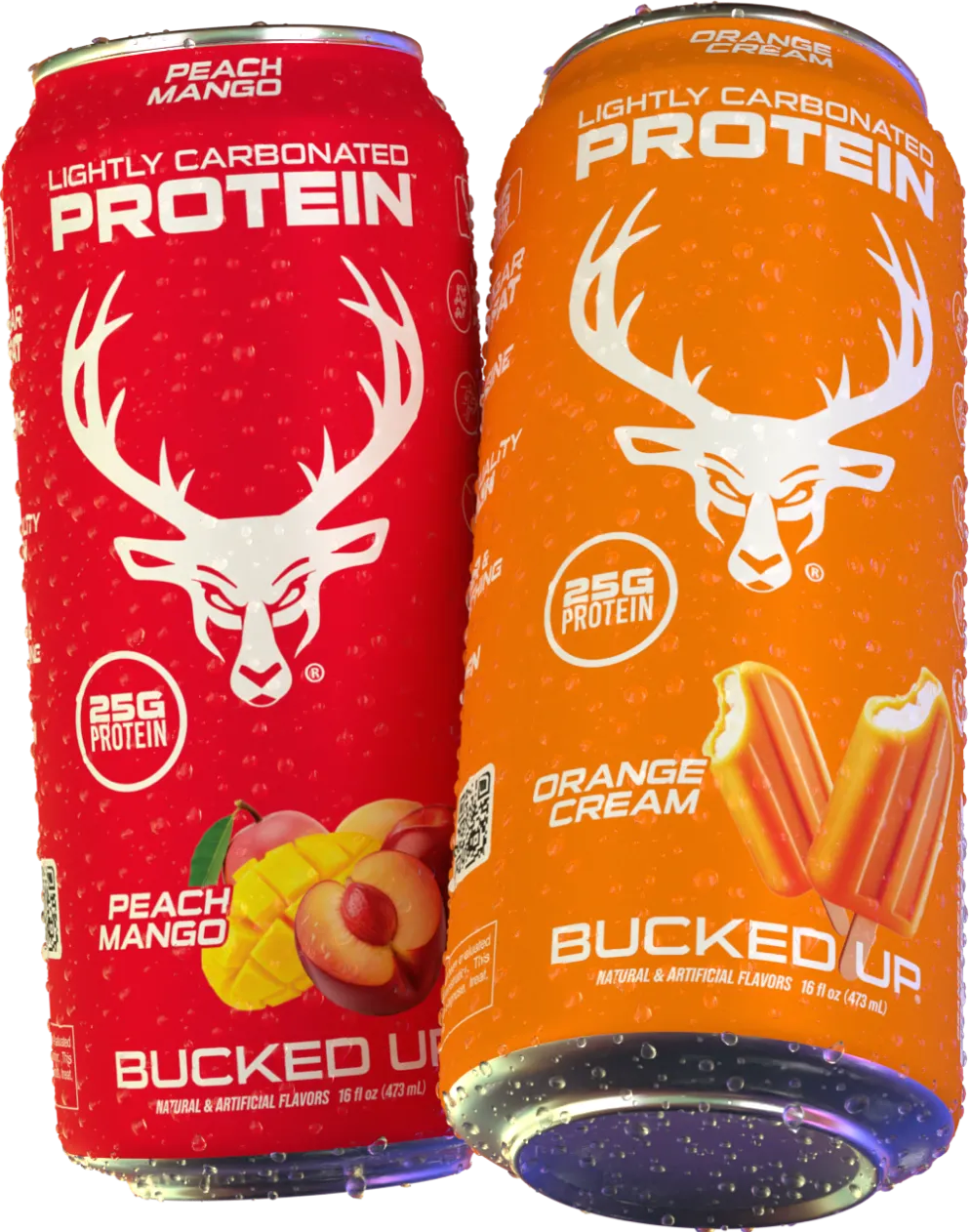
Bucked Up Protein Soda shows how whey isolate performs in ready-to-drink formats, delivering 25g of pure whey protein isolate in just 100 calories with zero sugar and zero carbohydrates. The carbonated format creates a light, soda-like feel instead of the milky heaviness common in some RTD products.

Bucked Up uses 100% isolate, which supports a complete amino acid profile while keeping the clear, crisp consistency needed for carbonation.1 This processing choice helps create the energy drink-style taste that makes protein intake feel like a treat, not a chore, and it addresses the palatability issues many people have with traditional protein shakes.
Customer testimonials highlight this positioning: “The protein sodas far exceeded my expectations. They taste similar to an energy drink and don’t have any weird aftertaste like some other clear whey protein drinks do.” The caffeine-free formulation fits any time of day and can support gym-goers, GLP-1 users managing reduced appetite, and busy professionals who want convenient protein.1
If you want isolate protein that does not taste like a typical shake, explore Bucked Up’s carbonated protein soda.
Frequently Asked Questions
Which is better whey isolate or concentrate?
The choice between whey protein isolate and concentrate depends on your goals, budget, and digestive tolerance. Whey protein isolate can work well for individuals who prioritize fast absorption, lactose tolerance, and precise macronutrient control, and it contains 90%+ protein with minimal fat and lactose. Whey concentrate often offers better value for general nutrition needs and provides beneficial bioactive compounds, yet it may cause digestive discomfort in sensitive individuals.
Does Bucked Up use isolate or concentrate?
Bucked Up Protein Soda uses 100% whey protein isolate, providing 25g of easily absorbed protein per can.1 This supports complete amino acid profiles without the higher lactose, fats, or carbohydrates found in many concentrate-based products. The isolate formulation supports faster absorption and can offer better digestive tolerance than some concentrate alternatives.1
Is Bucked Up Protein Soda keto and paleo friendly?
Yes, Bucked Up Protein Soda is compatible with both ketogenic and paleo lifestyles. Each can contains zero carbohydrates and zero sugar, which fits strict carbohydrate restriction. The pure whey protein isolate source aligns with many paleo protein preferences, and the absence of artificial fillers supports clean eating approaches.
Is it safe to drink Bucked Up Protein Soda daily?
Bucked Up Protein Soda can fit into a daily routine as part of a balanced nutrition plan. Each can provides that same 25g dose of protein without caffeine, so you can drink it at any time of day. As with any supplement, consult your healthcare provider if you have specific dietary concerns or medical conditions. The product supports daily protein goals without the heavier feel of some traditional protein sources.1
How does the taste compare to traditional protein shakes?
Bucked Up Protein Soda offers a very different experience from traditional protein shakes. The carbonated, crystal-clear format tastes closer to an energy drink than a milky protein beverage. There is no chalky residue, creamy texture, or lingering artificial protein aftertaste. The refreshing, crisp flavor helps protein intake feel simple and enjoyable.
Conclusion: When Whey Isolate with Bucked Up Makes Sense
Whey protein isolate can stand out for 2026 lifestyles by supporting faster absorption, smoother digestion, and tighter macronutrient control.1 For busy professionals, athletes, and individuals managing weight or using GLP-1 medications, the purity and convenience of isolate-based products like Bucked Up Protein Soda can support consistent protein intake without extra digestive stress.1 Discover Bucked Up Protein Soda and see how convenient protein can feel.
1 The content provided in this article is for informational purposes only and is not medical advice. Consult with a medical professional before implementing any changes to your diet, health, or exercise routines.
Individual results will vary and are based on a combination of each individual’s diet, exercise, age, and health circumstances.
These statements have not been evaluated by the Food and Drug Administration. This product is not intended to diagnose, treat, cure or prevent any disease.
This article was written by Ryan Gardner, CEO of Bucked Up. As the maker of Bucked Up Protein Soda, we have a financial interest in this information. The views expressed are our own and should be read with that context in mind.