Last updated: April 22, 2026
Why Fast-Absorbing Whey Isolate Drinks Matter
- Fast-absorbing whey protein isolate peaks amino acid levels in about 60 minutes, supporting post-workout muscle recovery.1
- High leucine content (2.7g per 25g serving) triggers mTOR for muscle growth and protein synthesis.1
- Minimal lactose and fat support easier digestion and less bloating for lactose-sensitive users and GLP-1 patients.1
- Ready-to-drink carbonated format offers convenient protein, hydration, and enjoyment with zero sugar or carbs at 100 calories.
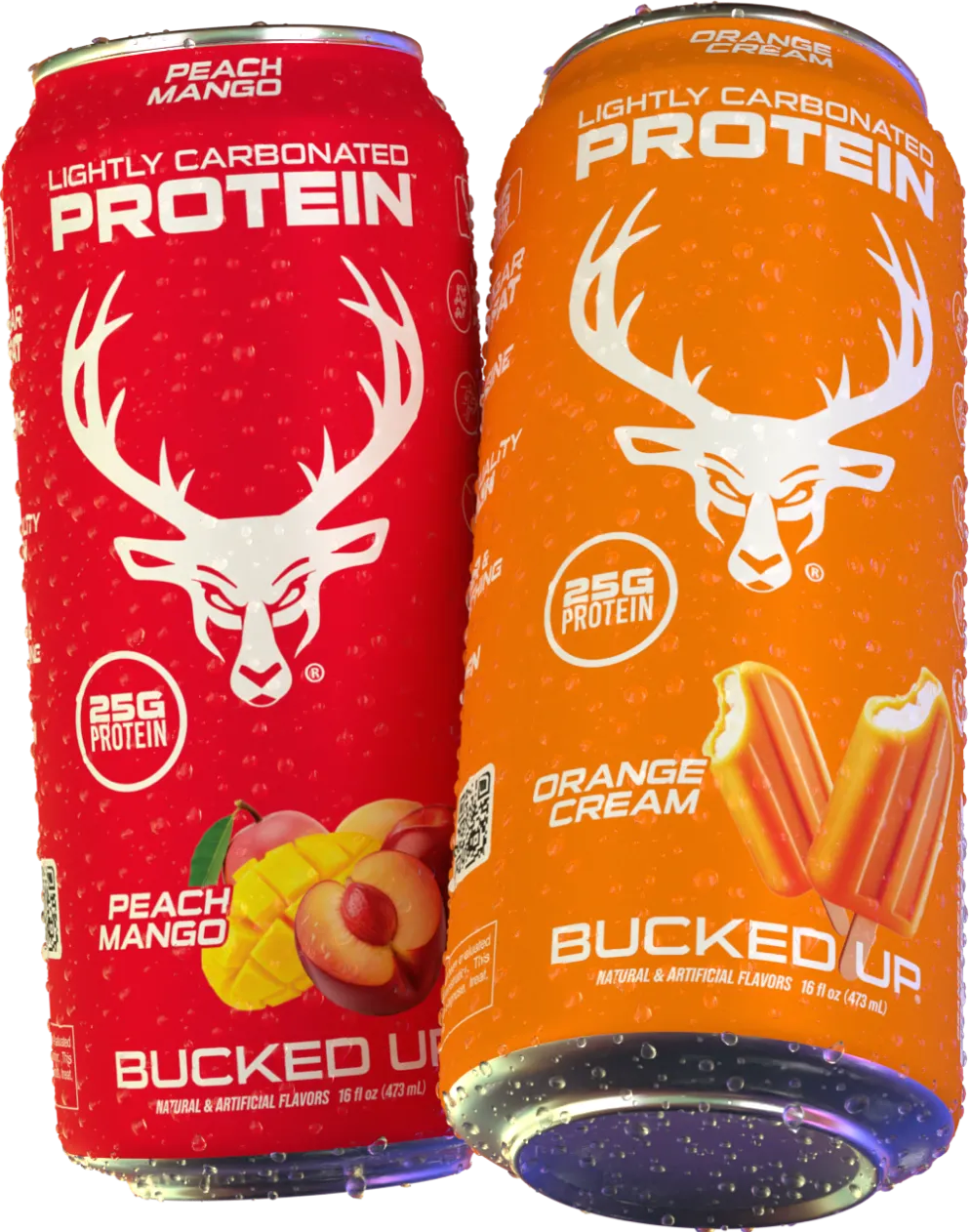
- Upgrade to Bucked Up Protein Soda for 25g pure whey isolate in a refreshing, anytime drink.
The 9 Key Benefits
1. Rapid Muscle Recovery (Post-Workout 30-Min Window)
Fast-absorbing whey protein isolate reaches peak blood amino acid levels within approximately 60 minutes after you drink it.1 This happens faster than with whey protein concentrate because isolate contains less fat and lactose. The quick delivery supports the post-workout anabolic window when muscles are ready for protein synthesis.1
The leucine content in whey protein isolate activates the mTORC1 pathway, with research showing enhanced phosphorylation of mTOR, 4E-BP1, and p70S6K two hours post-ingestion after resistance exercise.1 Because this activation starts as soon as amino acids become available, consuming 25g of whey protein isolate within 30 minutes after training helps leucine reach your muscles during the peak recovery window.1 You also avoid the heavy, slow-digesting feel of traditional thick shakes.1
Fuel your post-workout recovery with fast-absorbing whey protein isolate drinks.
2. Enhanced Muscle Growth (Leucine Trigger)
Whey protein isolate provides approximately 2.7 grams of leucine per 25g protein serving, which matches the amount often cited to fully saturate mTOR activation in adults. A 2023 study involving 178 older adults found that daily supplementation with leucine-rich protein improved physical function, increased fat-free mass index, and reduced inflammation markers.
The rapid leucine spike from whey protein isolate turns on muscle protein translation more effectively than slower-digesting proteins.1 This helps people following resistance training programs and those trying to maintain muscle while losing body fat.1 The clear, carbonated format of protein sodas also avoids the heaviness that can interfere with training when you drink protein close to your workouts.
3. Superior Digestion (Low Lactose and Fat)
Whey protein isolate contains minimal lactose, often less than 1 gram per serving, compared to up to 3.5 grams in many whey concentrate products. The National Institute of Diabetes and Digestive and Kidney Diseases estimates that 36% of people in the United States have lactose malabsorption, so isolate can feel more comfortable for many users.
The filtration process removes most fats and carbohydrates, so the final product often reaches 90% or more protein by weight. This higher purity can ease digestive stress and reduce bloating that some people experience with traditional protein shakes.1 For those with sensitive digestion or GLP-1 users dealing with delayed gastric emptying, the clear liquid format tends to move through the stomach more smoothly than thick, milky shakes.1
4. Weight Management and Satiety (High Protein, Low Calories for GLP-1 Users)
Protein helps you feel fuller for longer, and whey protein isolate drinks deliver 25g of protein with only 100 calories.1 This protein-to-calorie ratio supports people using GLP-1 receptor agonist medications, where data shows 20% to 40% of weight lost can come from lean muscle mass without intervention.1
Experts recommend 1.2 to 2.0 grams of protein per kilogram of ideal body weight daily for GLP-1 users to help limit muscle loss, with the higher end often suggested for people who lift weights.1 Meeting this higher target becomes difficult when GLP-1 medications reduce appetite and cause nausea that make solid meals unappealing. The liquid format of protein sodas offers concentrated protein in a form that many GLP-1 users find easier to tolerate than large portions of solid food.
5. Convenience of RTD Sodas (No Prep, Portable)
Ready-to-drink protein sodas remove the need for scoops, shakers, or blenders. You skip prep time and cleanup, which makes it easier to stay consistent. This convenience has supported strong category growth, with ready-to-drink protein beverages emerging as delivery methods that make protein intake more accessible and enjoyable.
The shelf-stable cans fit easily in gym bags, office fridges, or car cup holders without constant refrigeration. For busy professionals and parents, this grab-and-go format often determines whether they hit daily protein goals or fall short. The carbonated format also gives a crisp, refreshing feel compared to flat protein drinks.
To see how this convenience and format compare with more traditional options, review the table below, which highlights key differences in calories, texture, and lactose content.
How Bucked Up Compares to Traditional Options
| Feature | Bucked Up Protein Soda | Traditional Shakes | Whey Concentrate Drinks |
|---|---|---|---|
| Absorption Speed | Fast | Typically slower | Slower due to fat and lactose |
| Calories (25g protein) | 100 | 150-250 | 120-180 |
| Texture and Format | Clear, carbonated | Milky, thick | Cloudy, heavier |
| Lactose Content | Near-zero | Low to moderate | Higher |
6. Hydration Boost (Carbonated Refreshment)
The lightly carbonated format of protein sodas supplies fluids and protein in one drink, so you cover two post-workout needs at once. Thick shakes can feel heavy and may reduce how much you want to drink, while carbonated protein drinks often encourage steady sipping because they taste more like a soft drink or energy drink.
This combination helps athletes and active people replace both protein and fluids after training sessions.1 The clear liquid format also makes it easier to see how much you have consumed during the day, which supports better awareness of your overall fluid intake and hydration habits.
7. Vs. Concentrate (Purity and Absorption Edge)
The filtration process that creates whey protein isolate removes extra fats, carbohydrates, and lactose that remain in many concentrate products. This higher purity supports faster absorption and higher protein density per serving, so isolate can help you reach protein targets with fewer calories.1
Whey concentrate often contains about 80% protein by weight, while isolate can reach 90% or more. This difference matters when you track daily protein intake, because isolate delivers more protein per serving and per calorie. The lower fat and lactose content also reduces digestive workload, which can help people with sensitive stomachs or those who drink several servings each day.1
8. Safe Daily Use (Zero Sugar, Anytime)
Research supports safe daily protein intake up to 2.2 grams per kilogram of body weight for healthy adults, with many recommendations falling between 1.2 and 1.6 grams per kilogram depending on activity level. Zero sugar and zero carb formulations let you add multiple servings of protein soda without affecting blood sugar or adding many extra calories.1
The caffeine-free profile also means you can drink these beverages in the morning, afternoon, or evening without disrupting sleep.1 This flexibility makes it easier to spread protein across the day, which supports steady muscle protein synthesis instead of large, infrequent spikes.
9. Enjoyable Taste (Non-Chalky, Real-World Feedback)
Clear whey technology removes the chalky texture and strong dairy aftertaste that many people associate with older protein powders. The flavor profile feels closer to an energy drink than a milkshake, so drinking protein becomes something you look forward to instead of a task you push off.
Experience the refreshing taste of fast-absorbing whey protein isolate drinks.
Key Benefits Summary
Fast-absorbing whey protein isolate drinks bring together several advantages that fit modern training and nutrition habits:
- Rapid muscle recovery supported by quick amino acid delivery1
- Muscle growth support through leucine-triggered protein synthesis1
- Digestive comfort from low lactose and low fat content1
- Weight management support, including for GLP-1 users with higher protein needs1
- Convenient, ready-to-drink format with a light, enjoyable taste
Whey Protein for GLP-1 Users: Preventing Muscle Loss
People using GLP-1 receptor agonist medications often struggle to eat enough protein because of reduced appetite and slower gastric emptying. Guidelines recommend 1.2-2.0 grams of protein per kilogram of body weight daily for these individuals to help preserve lean muscle during weight loss.
Clear whey isolate drinks support these needs by providing easily digested protein in a light, drinkable format that many users tolerate better than solid meals.1 The liquid moves through the stomach more readily than dense foods, which helps GLP-1 users stay closer to their protein targets even when appetite is low.
Daily Use and Whey Protein Side Effects
Whey protein isolate is considered safe for daily use, with research supporting intake levels up to 2.2 grams per kilogram of body weight in healthy adults.1 Most side effects occur in people with dairy protein allergies or severe lactose intolerance.1
The very low lactose content in isolate reduces the chance of digestive upset compared to many concentrate products.1 Most healthy individuals can drink several servings per day as part of their total protein intake, which makes protein sodas a practical option for higher-protein diets.
How to Choose Whey Isolate Drinks That Fit Your Routine
Smart selection starts with checking the label for isolate purity of 90% or higher. Look for clear information on protein per serving, ideally in the 20-30g range, which aligns with common targets for muscle protein synthesis.
Taste and format also matter because they affect how consistently you will drink the product. Ready-to-drink cans offer maximum convenience, while powders may suit people who prioritize cost for very high daily protein intakes. Third-party testing and strong manufacturing standards add another layer of confidence in product quality and safety.
Conclusion: Try Bucked Up Protein Soda Today
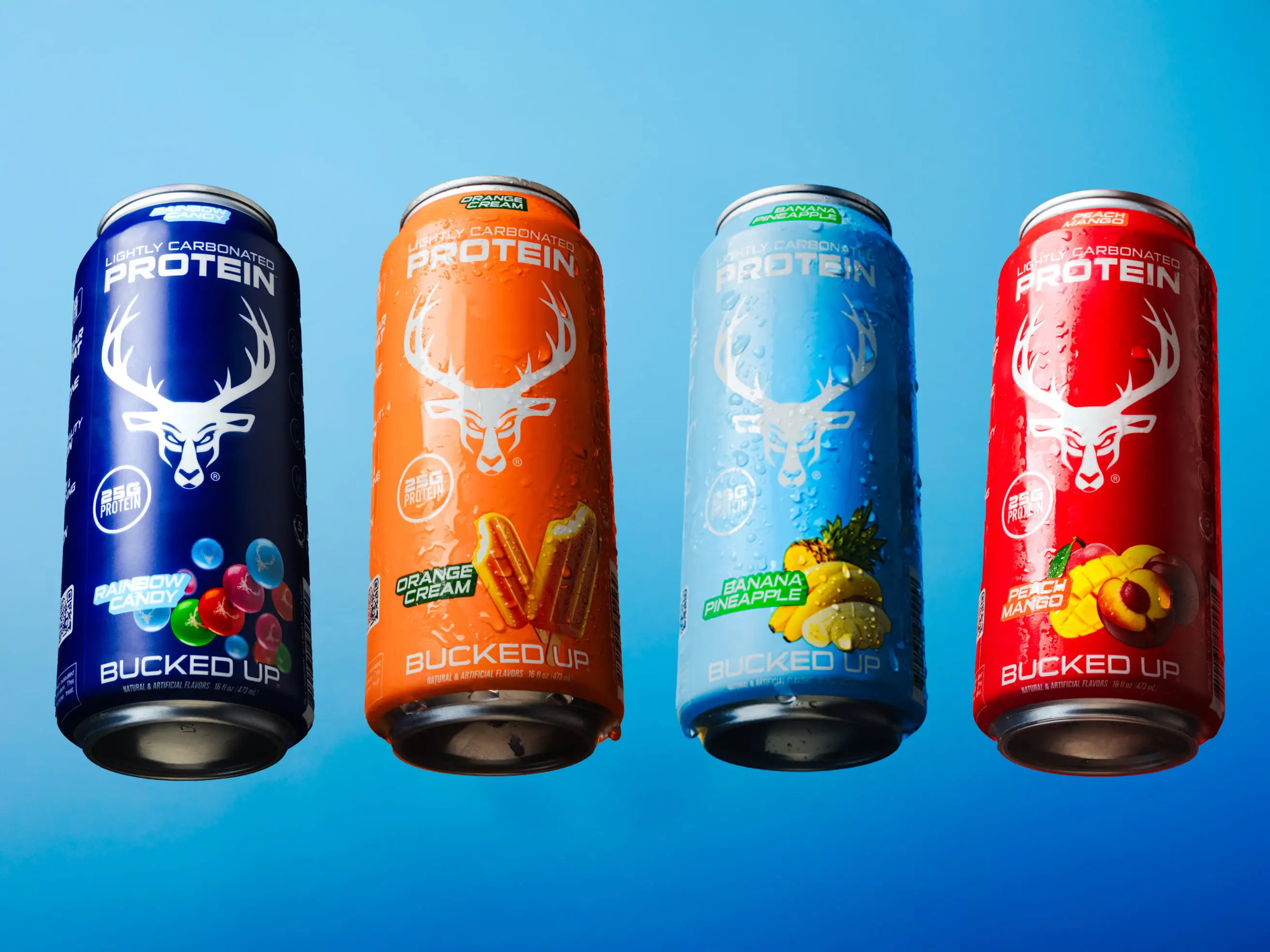
Fast-absorbing whey protein isolate drinks provide a modern approach to protein intake, combining convenience, digestibility, and performance benefits in one product. Try Bucked Up Protein Soda, which delivers 25g of pure whey protein isolate in a refreshing, carbonated format that fits busy schedules. Explore Bucked Up Protein Soda flavors and see how they fit into your daily routine.
Frequently Asked Questions
What makes whey protein isolate better than concentrate for daily use?
Whey protein isolate goes through extra filtration that removes more fats, carbohydrates, and lactose, so it often reaches 90% or higher protein content compared to about 80% in many concentrates. This higher purity supports faster absorption, less digestive stress, and more protein per serving.1 The low lactose content can also help people with mild lactose sensitivity, and the rapid absorption profile supports muscle protein synthesis timing for active individuals.1
How much whey protein isolate can I safely consume daily?
Research supports safe daily protein intake up to 2.2 grams per kilogram of body weight for healthy adults, with many people doing well in the 1.2-1.6 grams per kilogram range depending on activity level. For a 150-pound person, this equals roughly 82-109 grams of protein daily from all sources. Whey protein isolate drinks can cover a portion of this total, and many people comfortably use 2-4 servings per day when balanced with whole-food protein.
Are protein sodas suitable for people on GLP-1 medications?
Protein sodas can work well for people on GLP-1 receptor agonist medications because the liquid format and rapid gastric transit often feel easier than solid meals.1 These medications slow stomach emptying and reduce appetite, which makes large portions of food difficult to finish. The clear, carbonated format of protein sodas supplies essential protein for muscle preservation without the heaviness of traditional shakes1, and the 25g protein content per serving helps GLP-1 users move toward their higher protein targets.
When is the best time to consume whey protein isolate drinks?
Timing depends on your goals, but many people aim for a serving within about 30 minutes after training to support the post-workout anabolic window.1 The fast absorption of whey protein isolate fits this goal well.1 Because quality protein sodas are caffeine-free, you can also spread servings across the day to reach your total protein target, such as 25-30g every 3-4 hours.
Do carbonated protein drinks provide the same benefits as traditional protein shakes?
Carbonated protein drinks that use whey protein isolate provide similar core protein benefits to traditional shakes1, and they can add advantages in taste, convenience, and digestion. Carbonation does not reduce protein absorption or effectiveness. The clear liquid format often improves tolerance1, and the ready-to-drink cans remove mixing steps. For people who dislike thick shake textures or milky flavors, carbonated protein sodas can make it easier to stay consistent with daily protein intake.
1 The content provided in this article is for informational purposes only and is not medical advice. Consult with a medical professional before implementing any changes to your diet, health, or exercise routines.
Individual results will vary and are based on a combination of each individual’s diet, exercise, age, and health circumstances.
These statements have not been evaluated by the Food and Drug Administration. This product is not intended to diagnose, treat, cure or prevent any disease.
This article was written by Ryan Gardner, CEO of Bucked Up. As the maker of Bucked Up Protein Soda, we have a financial interest in this information. The views expressed are our own and should be read with that context in mind.