Last updated: April 22, 2026
Key Takeaways
- Whey protein isolate accelerates muscle protein synthesis through high leucine content (about 2.5g per 25g serving), which activates mTOR pathways for recovery.1
- Regular use can reduce delayed onset muscle soreness (DOMS) and muscle damage, with research showing faster force recovery compared to placebo.1
- Whey isolate absorbs in roughly 15–30 minutes, faster than whey concentrate or whole foods, which supports the post-workout anabolic window.1
- Its high protein-to-calorie ratio supports lean recovery with about 100 calories per serving, zero sugar or carbs, and fewer issues for lactose-sensitive users.1
- Higher protein intake helps preserve muscle mass for GLP-1 users; Bucked Up Protein Soda offers a convenient, refreshing way to get a 25g whey isolate serving.1
Why Whey Protein Isolate Works So Well for Recovery
Whey protein isolate goes through advanced filtration that removes most fats, lactose, and carbohydrates, leaving a powder that is about 90–95% pure protein. This processing creates faster digestion and absorption compared to whey concentrate, with amino acids appearing in circulation within 30–60 minutes after you drink it.1 This rapid delivery of essential amino acids, especially leucine, makes whey protein isolate effective for triggering muscle protein synthesis during the critical post-workout recovery window.1 This foundation helps explain the specific recovery benefits outlined below.
7 Proven Benefits of Whey Protein Isolate Drinks for Muscle Recovery
1. Leucine in Whey Isolate Drives Muscle Protein Synthesis
Whey protein isolate contains roughly 10% leucine by weight, providing an average of 2.5 grams of leucine per 25-gram serving of whey protein isolate. Research indicates that 3–5 grams of leucine per meal maximizes muscle protein synthesis for most individuals.1 This range means whey isolate can contribute a significant portion of that target when combined with other protein sources throughout the day. Leucine acts as a metabolic signal that activates the mTOR cellular pathway to trigger muscle protein synthesis. Bucked Up Protein Soda delivers this leucine content in a refreshing carbonated format that encourages consistent use after training.
2. Whey Isolate Helps Ease DOMS and Muscle Damage
Buckley et al. (2010) found that whey protein hydrolysate accelerated recovery of muscle force-generating capacity compared to non-hydrolysed whey and placebo in physically active adults after eccentric exercise. This type of research supports the idea that rapid amino acid delivery from whey protein isolate drinks can help repair muscle damage and lessen the severity of delayed onset muscle soreness.1 Many lifters use 25–30 grams within the post-workout window to support next-day muscle function and performance.1 Bucked Up Protein Soda provides this kind of therapeutic dose in a light, carbonated format that does not feel heavy after intense training.
3. Fast Absorption Beats Concentrate and Whole Food
Whey protein isolate digests in about 15–30 minutes, which suits immediate post-workout use when you want to maximize the anabolic response.1 This speed clearly differs from whole food protein sources such as chicken or beef, which can take 3–4 hours to fully digest. Liquid whey protein is absorbed faster than whole food sources, enabling quicker post-workout nutrient delivery for muscle recovery. The carbonated delivery system in products like Bucked Up Protein Soda may further support this process by promoting gastric emptying and making the drink feel lighter.
4. Lean Recovery with Fewer Calories
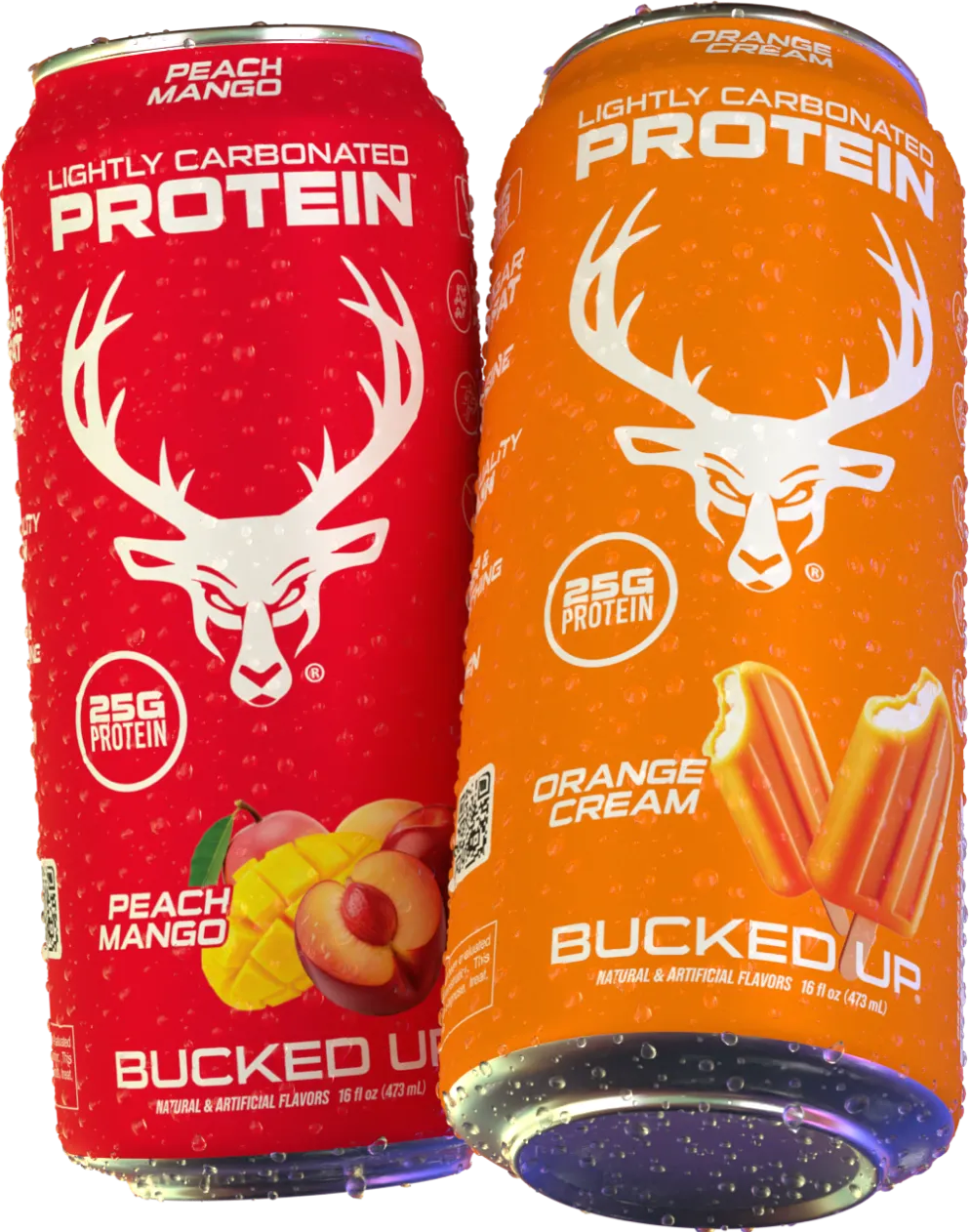
Whey protein isolate offers a strong protein-to-calorie ratio for people who want to manage body composition while training hard. This efficiency matters because a 25-gram serving delivers complete essential amino acids with relatively few calories. You can support muscle recovery without adding excess calories that might work against fat loss or weight-management goals.1 Bucked Up Protein Soda reflects this lean recovery approach with about 100 calories per 25 grams of protein and a zero sugar, zero carbohydrate profile that fits ketogenic and low-carb dietary styles. You can review the full nutrition profile on the product page for exact details.
5. Lighter on Digestion for Sensitive Stomachs
The filtration process that creates whey protein isolate removes most lactose, which helps many people with lactose sensitivity who experience digestive discomfort from milk-based products.1 The lower fat and carbohydrate content also reduces the chance of bloating or gastric distress that can appear with heavier protein sources. The carbonated format of drinks like Bucked Up Protein Soda can support gastric motility and feels more like a flavored soda than a thick shake, which some people find easier to handle after a tough workout.
6. Ready-to-Drink Convenience for Post-Workout Windows
The International Society of Sports Nutrition recommends 0.25–0.40 g per lb of body weight of fast-digesting whey protein isolate within a few hours after training to support muscle protein synthesis and recovery.1 Ready-to-drink formats remove the need for scoops, shakers, or refrigeration at the gym and help you hit that target when the post-workout window feels most crucial. Consuming 20–30 grams of whey protein as soon as possible after a workout, ideally within 30 minutes or up to 1–2 hours, replenishes the body and provides amino acids for muscle repair. Bucked Up Protein Soda supports this timing by offering a portable can you can grab from your bag or fridge with no mixing required.
7. Muscle Support for GLP-1 Users
A 2024 systematic review and meta-analysis found that higher protein intakes above 1.3 g per lb per day help prevent muscle mass decline during weight loss.1 Many individuals using GLP-1 receptor agonists experience reduced appetite and find solid foods harder to finish. In those situations, liquid protein sources can play a key role in maintaining muscle mass. The light, carbonated format of protein drinks like Bucked Up Protein Soda offers an option that does not feel heavy or overwhelming when appetite is low, while still delivering high-quality protein for muscle preservation.
How Whey Protein Isolate Drinks Compare to Shakes and Food
After looking at these seven benefits, it becomes useful to compare carbonated whey isolate drinks with the protein sources you may already use. This comparison highlights differences in absorption speed, texture, and convenience that can influence your recovery plan. Carbonated protein drinks offer distinct advantages over traditional thick shakes and whole food protein sources. The rapid 15–30 minute digestion time of whey protein isolate surpasses the 3–4 hour digestion period required for whole foods like chicken or beef. Unlike heavier RTD shakes from brands such as Premier Protein or Muscle Milk, which often have a milky texture, carbonated options like Bucked Up Protein Soda provide a refreshing, non-milky experience. Many people find that these differences in absorption speed, palatability, caloric density, and convenience favor carbonated formats, especially if they dislike thick shakes or need easily digestible options during appetite suppression.
Timing, Dosing, and Possible Drawbacks
Following the ISSN guidance discussed earlier, many lifters aim for 20–40 grams of whey protein isolate within a few hours after training, with optimal consumption occurring within 30 minutes to 2 hours post-workout. Recent research by Trommelen et al. (2023) found that 25–40 grams per serving optimizes the anabolic response, which supports this practical range. This rapid digestion, mentioned earlier, contrasts with the longer digestion period required for whole foods and helps explain why many athletes favor a drink right after training. Daily use of whey protein isolate is generally considered safe for healthy individuals, and its zero-carb profile fits ketogenic and paleo-style approaches.1 Some people may notice mild bloating or discomfort, although this appears less common with isolate than with concentrate, so testing tolerance with smaller servings can help.1
Frequently Asked Questions
Does whey protein isolate help muscle damage recovery?
Yes, whey protein isolate supports muscle damage recovery through several mechanisms.1 Research discussed in the DOMS section above shows that whey-based products can accelerate recovery of muscle force-generating capacity after eccentric exercise. The high leucine content activates muscle protein synthesis pathways, and the fast absorption delivers amino acids to damaged muscle tissue within roughly 30–60 minutes of drinking a serving.1
How do protein sodas compare to traditional shakes?
Protein sodas provide a lighter texture, quick digestion, and a different flavor experience compared to traditional shakes. Thick, creamy shakes can feel heavy after a workout, while carbonated protein drinks feel closer to an energy drink but still deliver substantial protein. Bucked Up Protein Soda removes the chalky texture and mixing step that come with many powder-based shakes while offering a convenient ready-to-drink can you can keep in your gym bag or fridge.
Are whey protein isolate drinks safe for GLP-1 users?
Whey protein isolate drinks can work well for individuals using GLP-1 receptor agonists like Ozempic or Zepbound. The liquid format is often easier to consume when appetite is suppressed, and the high protein content helps preserve muscle mass during weight loss phases. The low-calorie profile and rapid absorption also help users meet protein needs without overwhelming the digestive system or adding many calories to a restricted eating pattern.
Can I drink whey protein isolate daily?
Most healthy individuals can drink whey protein isolate daily as part of their regular nutrition plan. Its high biological value and complete amino acid profile make it a useful daily protein source for muscle maintenance and recovery. Products like Bucked Up Protein Soda can fit into a daily routine as a post-workout drink or a convenient protein option between meals, although people with medical conditions should check with a healthcare professional before making major dietary changes.
What makes an effective drink for muscle recovery?
An effective muscle recovery drink usually combines fast-absorbing whey protein isolate, adequate leucine content, a convenient ready-to-drink format, and a formula that sits well on the stomach. Helpful benchmarks include 20–40 grams of high-quality protein, rapid absorption within roughly 15–30 minutes, moderate calories, and a taste profile that encourages consistent use. Carbonated options like Bucked Up Protein Soda can stand out here by offering 25 grams of whey protein isolate in a refreshing, light format that does not feel heavy after intense training.
Conclusion
The seven benefits of whey protein isolate drinks for muscle recovery show how they can support post-workout nutrition. These drinks can help accelerate muscle protein synthesis, reduce DOMS, speed up absorption, support lean recovery, minimize digestive issues, improve convenience, and assist with muscle preservation for GLP-1 users.1 This combination makes whey protein isolate drinks a practical option for athletes, busy professionals, and people managing weight or appetite suppression.
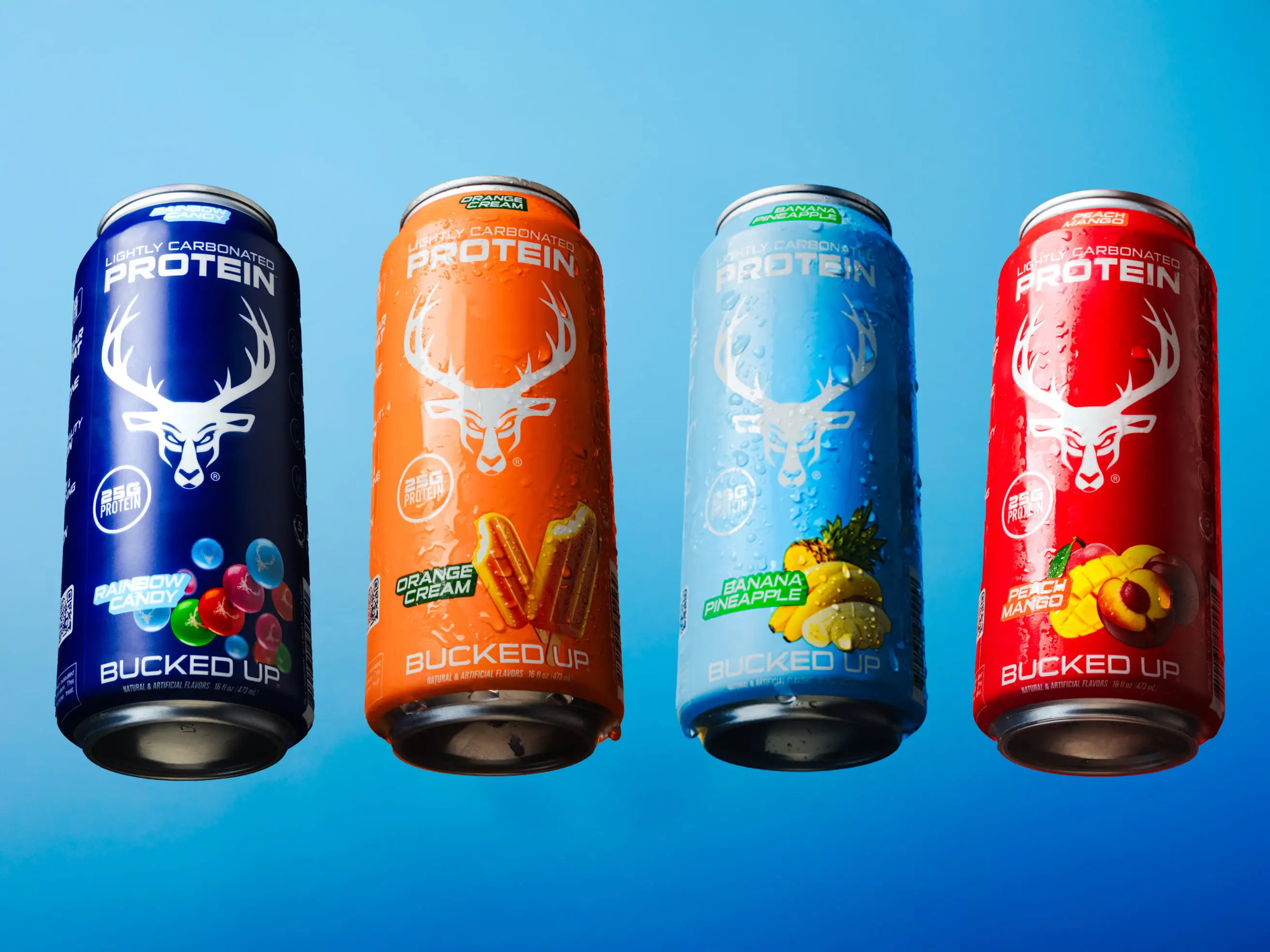
Bucked Up Protein Soda presents an approach that addresses common protein challenges through its carbonated format while delivering 25 grams of whey protein isolate with about 100 calories, zero sugar, and zero carbs. Manufactured in GMP-certified USA facilities, this caffeine-free option provides the refreshing taste of an energy drink while supporting serious muscle recovery goals with a straightforward ingredient profile. Shop Bucked Up Protein Soda now to turn post-workout protein into a simple, enjoyable habit that supports recovery, growth, and performance.
1 The content provided in this article is for informational purposes only and is not medical advice. Consult with a medical professional before implementing any changes to your diet, health, or exercise routines.
Individual results will vary and are based on a combination of each individual’s diet, exercise, age, and health circumstances.
These statements have not been evaluated by the Food and Drug Administration. This product is not intended to diagnose, treat, cure or prevent any disease.
This article was written by Ryan Gardner, CEO of Bucked Up. As the maker of Bucked Up Protein Soda, we have a financial interest in this information. The views expressed are our own and should be read with that context in mind.