Last updated: April 22, 2026
Key Takeaways: Enzymes and Whey Isolate
- Whey protein isolate is highly digestible because of its high purity (90%+ protein) and very low lactose content, so it often outperforms concentrates for comfort.1
- Digestive enzymes can increase isolate absorption and reduce bloating for some people, especially those with sensitive digestion.1
- Pure whey isolate frequently makes extra enzyme supplements unnecessary, which keeps your routine simpler and more affordable.
- Clear whey isolate in a ready-to-drink carbonated format can work well for GLP-1 users and anyone with a sensitive stomach.
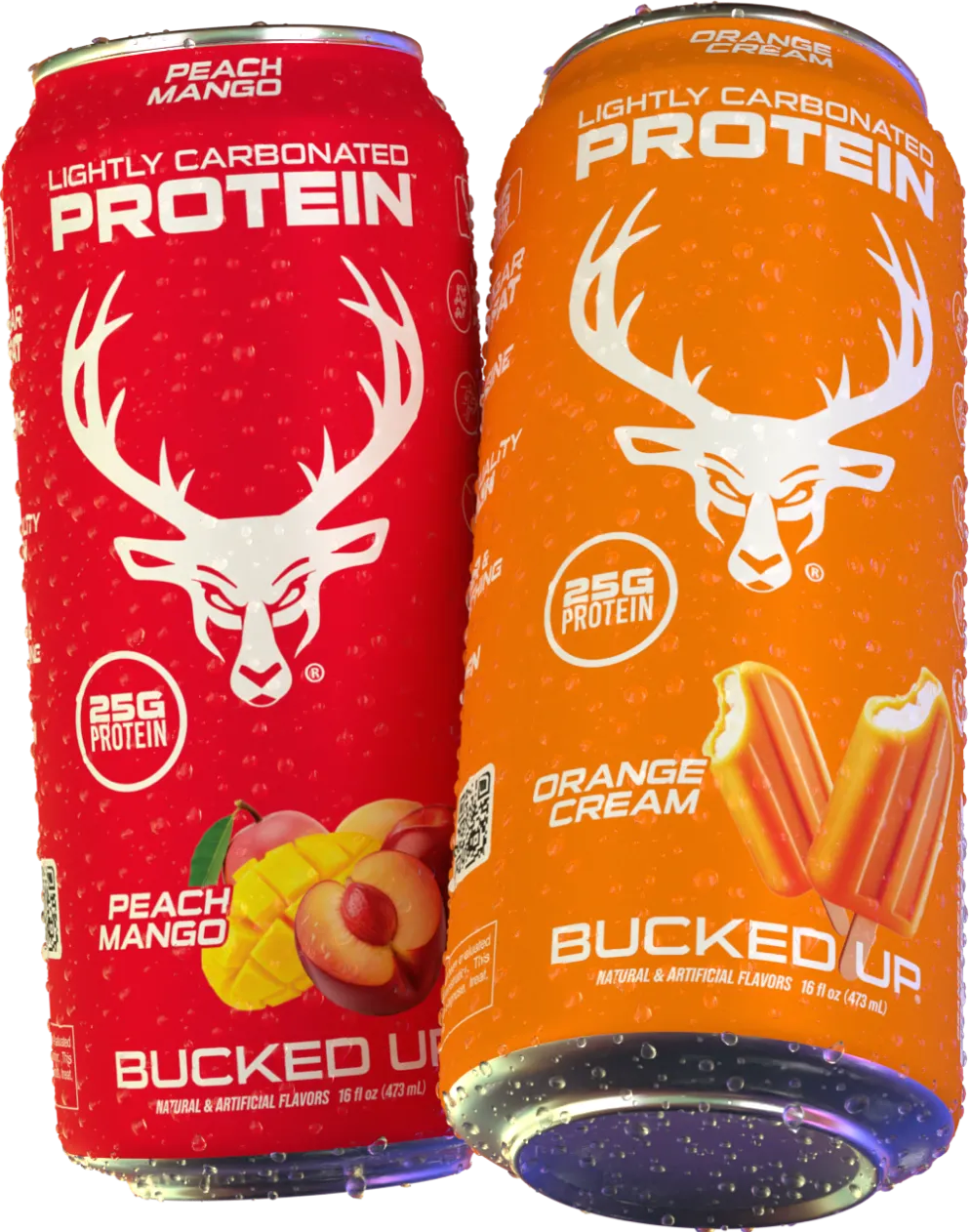
- Experience easier digestion with Bucked Up Protein Soda’s 25g clear whey isolate in a light, carbonated drink.1
How to Judge Protein Digestibility
Protein digestibility comes down to how easily your body can break down and absorb what you drink. Several concrete factors influence that process, including protein purity, lactose content, absorption speed, format, and your own tolerance. The table below shows how each factor affects digestion and what to look for when you choose a protein.
| Factor | Why It Matters | Ideal Benchmark |
|---|---|---|
| Protein Purity | Higher purity means fewer digestive irritants | 90%+ isolate content |
| Lactose Content | Primary cause of protein shake bloating | <1% lactose |
| Absorption Speed | Faster absorption reduces gut dwelling time | 1–2 hour peak amino levels |
| Format | Ready-to-drink removes mixing and clumping issues | RTD over powder |
Whey protein isolate contains very little lactose compared to whey protein concentrate, which can reduce bloating1. This positions isolate as a practical starting point for sensitive stomachs. The filtration process that creates isolate removes most problematic compounds while concentrating the amino acids your muscles need.
How Enzymes Affect Whey Isolate Digestion
Digestive enzymes can improve whey protein isolate absorption and ease discomfort for some users.1 Enzymatic hydrolysis increases protein bioavailability and breaks down antinutritional factors, creating smaller peptide chains that your gut can handle more efficiently.1
Whey protein isolate already goes through extensive filtration that removes most lactose and fat, so the final product often reaches 90% or more protein. This processing makes isolate a frequent choice for people who are sensitive to lactose compared to concentrate, which usually contains 70–80% protein plus more digestive irritants.
When you add enzymes to an already purified isolate, absorption can improve with faster onset times.1 In that situation, protein breakdown starts quickly after you drink it instead of relying only on your body’s natural enzyme production.
The table below compares how different protein types behave in your system and where enzymes can help most.
| Protein Type | Absorption Timeline | Enzyme Benefit |
|---|---|---|
| Isolate alone | 1–2 hours to peak | Already strong baseline digestion |
| Isolate + enzymes | Faster peak times | May support quicker absorption |
| Concentrate | 60–90 minutes to peak | More room for improvement |
Should You Add Enzymes to Whey Isolate?
Most people can drink high-quality whey protein isolate comfortably without extra digestive enzymes. Your decision comes down to how your stomach reacts and how simple you want your routine to stay. Research shows that enzymes can support protein breakdown and absorption1, but they are not always necessary.
Pros of Adding Enzymes:
- Enhanced amino acid uptake, which can support more efficient muscle protein synthesis.1
- Reduced bloating and gas, especially for people with existing digestive issues.1
- Faster protein breakdown and absorption, which can shorten the time from drinking to recovery.1
- Better tolerance for very sensitive individuals who still struggle with pure isolate.
Cons of Adding Enzymes:
- Extra supplement cost and more moving parts in your routine.
- Additional pills to remember, pack, and take with each shake.
- Possible interactions with medications that require medical guidance.
- Limited benefit when you already use a clean, pure isolate product.
Many people who use a high-quality whey protein isolate, such as Bucked Up’s clear formulation, do not need separate enzyme supplements. The natural digestibility of isolate often provides enough comfort and absorption on its own.
Whey Isolate, Concentrate, and Hydrolyzed: Digestion Comparison
Different whey protein types digest differently, which affects whether enzymes might help you. Comparing isolate, concentrate, and hydrolyzed whey clarifies which options usually feel easier on the stomach.
| Protein Type | Lactose Content | Absorption Speed | Bloating Risk |
|---|---|---|---|
| Whey Isolate | <1% | 1–2 hours | Low |
| Whey Concentrate | Higher | 60–90 minutes | Moderate to High |
| Hydrolyzed Whey | <1% | About 20 minutes | Very Low |
Whey protein isolate is more extensively filtered than whey protein concentrate and therefore contains very little lactose. That filtration supports digestive comfort for many users. Bloating from protein shakes often comes from lactose intolerance when people use whey protein concentrate.
Bucked Up Protein Soda uses 100% clear whey isolate, which removes the lactose and fat that can cause issues in concentrate-based products. This pure formulation delivers 25g of protein in a light drink that many people can tolerate without extra enzymes.1 Experience enzyme-free digestion with pure isolate1.

Bucked Up Protein Soda vs Other RTD Options
Ready-to-drink protein beverages remove mixing errors, clumps, and inconsistent textures that can upset digestion. Within RTD options, protein type, calories, and texture still vary and can affect how your stomach feels after drinking.
| Product | Protein Type | Protein Content | Calories | Texture |
|---|---|---|---|---|
| Bucked Up Protein Soda | 100% Clear Whey Isolate | 25g | 100 | Light, Carbonated |
| Premier Protein | Whey Blend | 30g | 160 | Thick, Creamy |
| Muscle Milk | Milk Protein Blend | 25g | Varies | Heavy, Milky |
The carbonated, clear format of Bucked Up Protein Soda offers a refreshing texture that many people find less heavy than traditional creamy shakes.
Protein Choices for Sensitive Stomachs on GLP-1 Medications
People using GLP-1 medications such as tirzepatide, Ozempic, or Mounjaro often deal with nausea, early fullness, and reduced appetite. These effects make protein selection crucial for preserving muscle during weight loss. Without intervention, 20% to 40% of weight lost on GLP-1 receptor agonists can come from lean muscle mass, so consistent protein intake matters.
Experts recommend GLP-1 users aim for 1.5 to 2 grams of protein per kilogram of ideal body weight daily. For someone who weighs about 150 lbs, that equals roughly 100–135 grams of protein each day.
Scenario 1: Post-Workout Recovery
A gym-goer on tirzepatide needs rapid protein absorption without a heavy shake that could trigger nausea. Clear whey isolates are recommended as liquid protein sources that move through the stomach more easily for GLP-1 users with nausea and low appetite1.
Beyond post-workout needs, many GLP-1 users also struggle with daily convenience and low hunger.
Scenario 2: Busy Professional
A working parent on Ozempic deals with reduced appetite but still needs convenient protein. Because GLP-1 medications blunt hunger, protein sources must be easy to grab and appealing enough to drink despite low interest in food. The carbonated, soda-like format offers familiar comfort that feels more like a beverage than a meal, while the ready-to-drink can removes prep time and cleanup.
While convenience helps, long-term success on GLP-1 medications also depends on protecting muscle mass.
Scenario 3: Muscle Preservation Focus
An individual losing weight on Mounjaro needs steady protein intake to reduce the risk of sarcopenia. Clear whey protein isolate shakes are recommended for GLP-1 users as a light, refreshing option that provides 20+ grams of protein without the thick, heavy dairy feel that can trigger nausea.1 Find your GLP-1-friendly protein solution designed for digestive sensitivity and convenience.
FAQ
Should I take enzymes with whey protein isolate?
Most people who use a high-quality whey protein isolate do not need additional digestive enzymes. Isolate goes through purification that removes much of the lactose and other irritants, so many users find it easier to digest than concentrate. People with very sensitive stomachs or specific digestive conditions may still benefit from enzyme support. Start with a pure isolate product and consider enzymes only if you notice ongoing discomfort.
What is the difference between whey isolate and concentrate for digestion?
Whey protein isolate can feel easier to digest than concentrate because of its purification process. As discussed earlier, isolate’s filtration reduces lactose to under 1%, while concentrate retains more lactose, which often causes shake-related bloating. Isolate typically reaches peak amino acid levels within 1–2 hours, while concentrate reaches peak plasma amino acid concentrations in about 60–90 minutes. Many people with lactose sensitivity or those who want a lighter post-workout option choose isolate for these reasons.
What protein works well for sensitive stomachs on tirzepatide or other GLP-1 medications?
Clear whey protein isolate in a ready-to-drink format often suits GLP-1 users who experience nausea and reduced appetite. The light, carbonated texture usually passes through the stomach more easily than thick, creamy shakes, and the pure isolate formula helps limit irritation. Meeting the protein targets mentioned earlier requires options that feel easy to drink, so convenient, well-tolerated RTDs can support daily consistency.
Can you drink whey isolate daily while on GLP-1 medications?
Daily whey isolate intake is generally safe and often recommended for people on GLP-1 medications who want to preserve muscle during weight loss. As noted earlier, inadequate protein can lead to meaningful muscle loss during treatment, so regular protein from food and supplements supports muscle and metabolic health. Many users rely on a mix of whole foods and high-quality whey isolate to reach their daily targets.
Do carbonated protein drinks digest differently than regular protein shakes?
Carbonated protein drinks can feel easier to handle for some people because they offer a lighter, more refreshing texture. The carbonation may support gastric motility, which can help move protein through the stomach. For anyone who dislikes thick, creamy shakes, a carbonated option can improve comfort and make it easier to stay consistent with protein goals.
Pure whey isolate in a ready-to-drink format can reduce the need for extra enzyme supplements while supporting digestive comfort and convenience.1 Get your carbonated protein solution for effortless absorption that fits your active lifestyle.
1 The content provided in this article is for informational purposes only and is not medical advice. Consult with a medical professional before implementing any changes to your diet, health, or exercise routines.
Individual results will vary and are based on a combination of each individual’s diet, exercise, age, and health circumstances.
These statements have not been evaluated by the Food and Drug Administration. This product is not intended to diagnose, treat, cure or prevent any disease.
This article was written by Ryan Gardner, CEO of Bucked Up. As the maker of Bucked Up Protein Soda, we have a financial interest in this information. The views expressed are our own and should be read with that context in mind.