Key Takeaways
- Roughly 65-70% of adults have lactose intolerance, so traditional whey protein concentrate with 4-8% lactose often causes bloating and gas.
- Whey protein isolate is safe for most lactose-intolerant people, with less than 1% lactose (about 0.15-0.3g per serving) for bloat-free supplementation.
- Isolate delivers fast absorption, complete amino acids, and strong muscle recovery benefits compared to many plant proteins, which helps gym-goers, parents, and GLP-1 users.
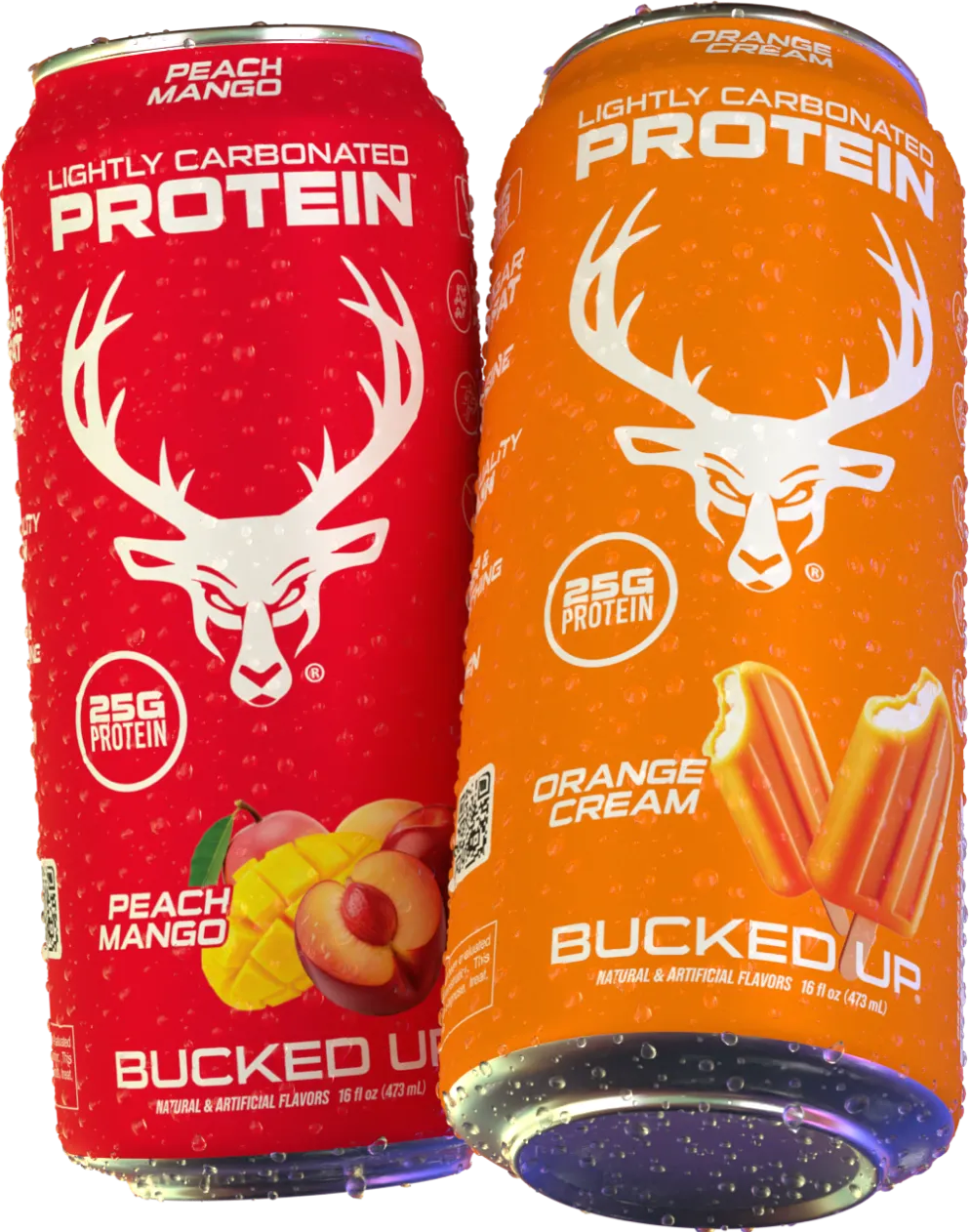
- Bucked Up Protein Soda packs 25g whey isolate into a 100-calorie, zero-sugar, carbonated drink that feels refreshing and easy to digest every day.
- Switching to Bucked Up Protein Soda gives you convenient, bloat-free protein that supports your fitness goals without digestive drama.
The Problem: Why Traditional Whey Protein Leaves You Bloated
Traditional whey protein concentrate often causes digestive distress for millions of people. Whey protein concentrate contains 4-8% lactose, which equals about 1.2-2.4 grams of lactose in a typical 30-gram serving. For most adults with lactose intolerance, that amount is enough to trigger uncomfortable symptoms.
These digestive issues are common and disruptive. Typical side effects from whey protein concentrates include bloating, gas, cramping, abdominal discomfort, bowel changes, and nausea. These symptoms cause more than minor discomfort. They can derail fitness progress, push busy parents to skip protein-rich snacks, and put GLP-1 users at higher risk of muscle loss when they avoid protein supplements altogether.
The challenge goes beyond lactose alone. Most digestive problems occur with whey concentrate because of its higher lactose content, not with isolate. Many people have written off whey protein entirely after bad experiences with concentrate-based products.
For gym-goers focused on post-workout recovery, parents who need quick nutrition, and people on GLP-1 medications who require easy-to-digest protein to protect muscle, these issues create a serious barrier. Hitting daily protein targets becomes difficult, and long-term health goals suffer.
Why Whey Protein Isolate Solves the Digestive Problem
Whey protein isolate goes through advanced filtration that removes 90-99% of the lactose found in regular whey. A standard 30g scoop of whey protein isolate contains roughly 150-300mg of lactose (0.15-0.3 grams), which makes it far easier to tolerate than concentrate for lactose-intolerant people.
This sharp drop in lactose content creates noticeable real-world relief. Many users report immediate digestive comfort after switching from concentrate to isolate. With less than 1 gram of lactose, isolate significantly reduces bloating and gas for most people.
|
Protein Type |
Lactose Content |
Best For Lactose Intolerant? |
Example |
|
Whey Concentrate |
4-8g per 25g serving |
No, high risk of symptoms |
Many budget powders |
|
Whey Isolate |
<1g per 25g serving |
Yes, minimal lactose |
Bucked Up Protein Soda |
|
Hydrolyzed Whey |
Trace amounts |
Yes, for severe cases |
Premium options |
|
Plant-Based |
0g |
Severe intolerance |
Backup alternative |
Whey isolate also offers superior absorption and bioavailability. The extra processing creates a purer protein that your body absorbs quickly, which supports post-workout recovery and muscle preservation. Bucked Up Protein Soda builds on this by using whey protein isolate that is processed to remove lactose and gluten and produced in GMP-certified facilities in the USA.

Whey Protein and Lactose Intolerance: What Actually Works
Whey protein isolate is generally safe for most lactose-intolerant individuals. Whey isolate removes most lactose (less than 1g per scoop), which many sensitive people tolerate well. The key is knowing the difference between whey types and starting with smaller servings to test your own response.
People with mild lactose intolerance often do very well with whey isolate products such as Bucked Up Protein Soda. The tiny amount of lactose, paired with light carbonation and a non-milky texture, supports digestive comfort while still delivering a complete amino acid profile for muscle recovery and maintenance.
Those with severe lactose intolerance can consider adding lactase enzyme supplements when using whey isolate or choosing hydrolyzed whey. Even so, most people find standard isolate products comfortable enough for daily use.
Best Protein Choice for Lactose Intolerance: Why Isolate Comes Out Ahead
Plant-based proteins contain zero lactose, but whey isolate often delivers better results for many lactose-intolerant people. Whey isolate provides a complete amino acid profile with strong leucine content for muscle protein synthesis, which makes it more effective than many plant blends for muscle preservation and recovery.
This advantage matters especially for GLP-1 users who need efficient protein sources to prevent muscle loss while appetite stays low. Bucked Up Protein Soda fits this need with a ready-to-drink format that supplies 25g of high-quality protein in a low-calorie, easy-to-digest drink that does not feel heavy.
The carbonated format also feels more like a refreshing beverage than a chalky supplement. That enjoyable experience encourages consistent daily use, which is crucial for staying on track with protein goals.
Lactose in Whey: Clear Breakdown of Concentrate vs Isolate
Lactose content in whey protein depends on how the protein is processed. A serving of whey protein concentrate may contain 3-4 grams of lactose, while whey protein isolate usually has less than 1 gram per serving.
Bucked Up uses advanced processing that removes virtually all lactose and gluten, creating a clean isolate that keeps protein quality high while stripping out common digestive triggers. This process also removes most fats and carbohydrates that often cause the heavy, bloated feeling linked to traditional protein shakes.
The final product is a clean, fast-absorbing protein source that supports results without the digestive tradeoffs that made whey protein difficult for many lactose-intolerant users in the past.
Real People, Real Relief: Bucked Up Protein Soda Feedback
Customer feedback on Bucked Up Protein Soda consistently highlights how gentle it feels on digestion compared to typical shakes. One user shared, “The protein sodas far exceeded my expectations. They taste similar to an energy drink and don’t have any weird aftertaste like some other clear whey protein drinks do.”
Another customer said, “I was shocked at how clean and refreshing it tasted while still packing a serious 25g of protein. Not overly sweet, not artificial-tasting, and zero of that gritty protein mouthfeel.”
A third user focused on practicality: “I need to consume 130g of protein daily, and honestly, I’ve never found a product that made that goal feel this easy. I could knock back multiple cans a day and actually enjoy doing it.”
These real-world experiences mirror the science-backed benefits of whey isolate. It absorbs quickly for post-workout recovery, fits keto and paleo lifestyles with zero carbs and sugar, and works any time of day because the formula is caffeine-free.
Shop now to feel the difference that high-quality whey isolate can make.
Frequently Asked Questions About Bucked Up Protein Soda
Is Bucked Up Protein Soda lactose-free?
Bucked Up Protein Soda uses whey protein isolate that is processed to remove lactose and gluten, which lowers the chance of digestive discomfort for people sensitive to lactose. While it is not officially labeled lactose-free, the very low lactose content works well for most lactose-intolerant individuals.
How much lactose is in whey isolate?
Whey protein isolate typically contains less than 1% lactose, or about 0.15-0.3 grams per 30g serving. Whey concentrate, by comparison, contains 4-8% lactose, which equals roughly 1.2-2.4 grams per serving.
Can lactose-intolerant people use whey every day?
Most lactose-intolerant individuals can use whey isolate products such as Bucked Up Protein Soda daily without major digestive issues. The minimal lactose content and advanced processing that removes most dairy components make it a comfortable choice for regular use.
What is the best whey option for GLP-1 users?
Bucked Up Protein Soda works especially well for GLP-1 users because it offers 25g of easily absorbed protein in a light, non-milky drink that does not overwhelm sensitive digestion. With only 100 calories per can, it helps prevent muscle loss while supporting reduced appetite.
Does carbonation affect protein digestion?
The light carbonation in Bucked Up Protein Soda does not harm protein digestion. Many users actually find the carbonation makes the drink more refreshing and easier to finish than thick shakes, which supports better consistency with daily protein intake.
Conclusion: Choose Bucked Up Protein Soda for Bloat-Free Protein
Whey protein isolate removes the main lactose concerns that kept many people from meeting their protein needs. With less than 1 gram of lactose per serving and better absorption than concentrate, isolate delivers full muscle-building benefits without the usual digestive side effects.
Bucked Up Protein Soda offers a ready-to-drink isolate option that delivers 25g of whey protein isolate in a crisp, carbonated format for gym-goers, busy parents, and GLP-1 users. Bucked Up relies on whey protein isolate to provide complete amino acids and reliable performance.
Shop now for bloat-free whey isolate and see why so many people are switching to carbonated protein. Grab Bucked Up Protein Soda today and support your protein goals with comfort and convenience.