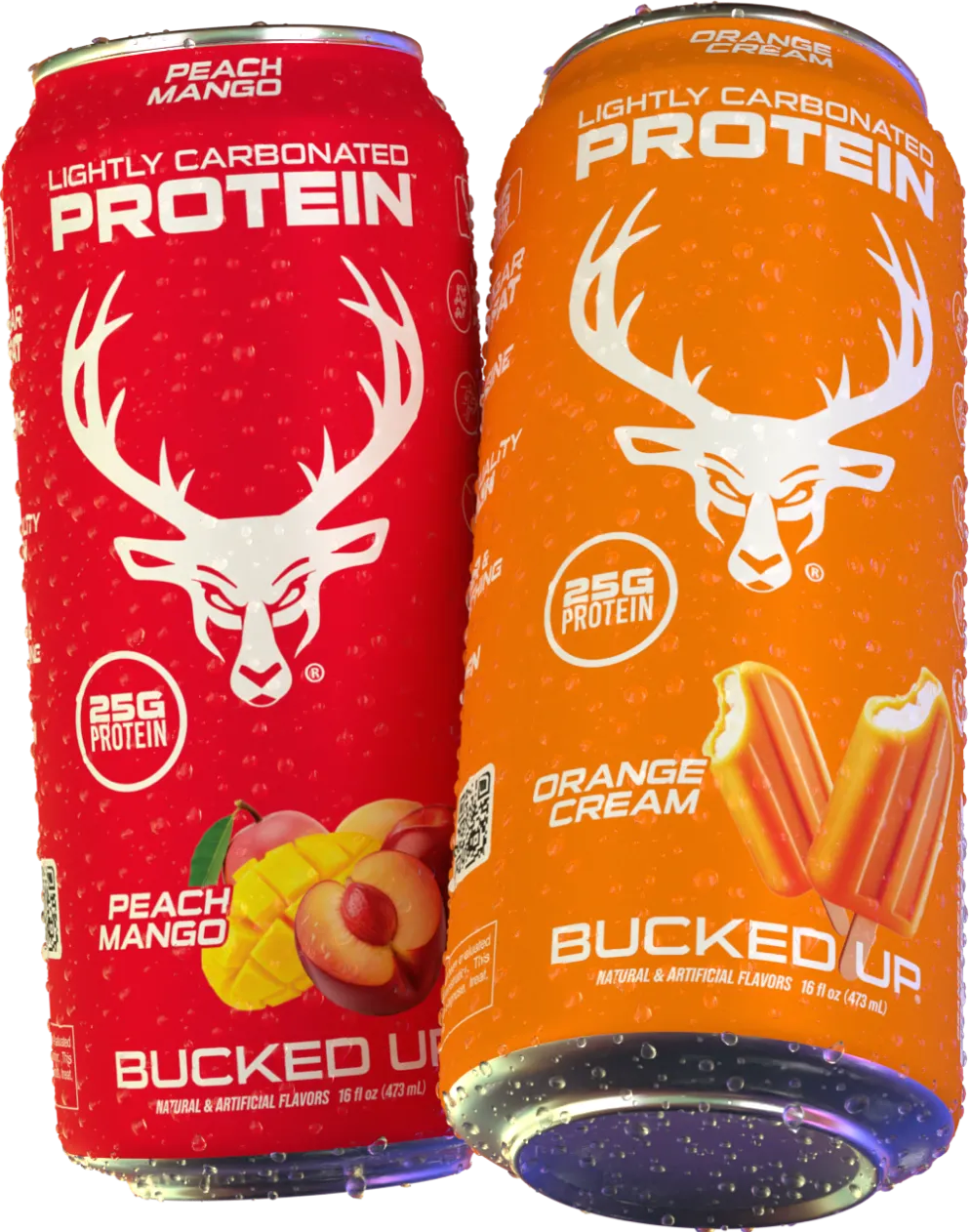
Why Whey Protein Soda Beats Casein
- Whey protein soda delivers fast amino acids that support post-workout muscle recovery more effectively than slow-digesting casein.
- A 100-calorie can with zero sugar and carbs supports weight loss and GLP-1 goals without wasting calories.
- The carbonated ready-to-drink format offers grab-and-go convenience, energy drink-style flavor, and easier digestion than thick casein shakes.
- GLP-1 users can rely on liquid protein to help preserve muscle while avoiding the nausea and heaviness that often come with solid foods.
- Choose Bucked Up Protein Soda for everyday recovery, weight management support, and a refreshing way to hit your protein targets.
Whey vs Casein Post-Workout: Fast Fuel for Recovery
Post-workout muscle recovery depends on rapid amino acid delivery, and whey protein isolate delivers that speed. This advantage matters because Bucked Up’s clear whey isolate provides an evidence-backed 25g serving that activates muscle protein synthesis during the critical recovery window.
Casein’s slow release cannot match that timing, so it misses the moment when your muscles are most ready to rebuild. Beyond absorption speed, the carbonated format removes prep time, so you crack open a can and start refueling right away.
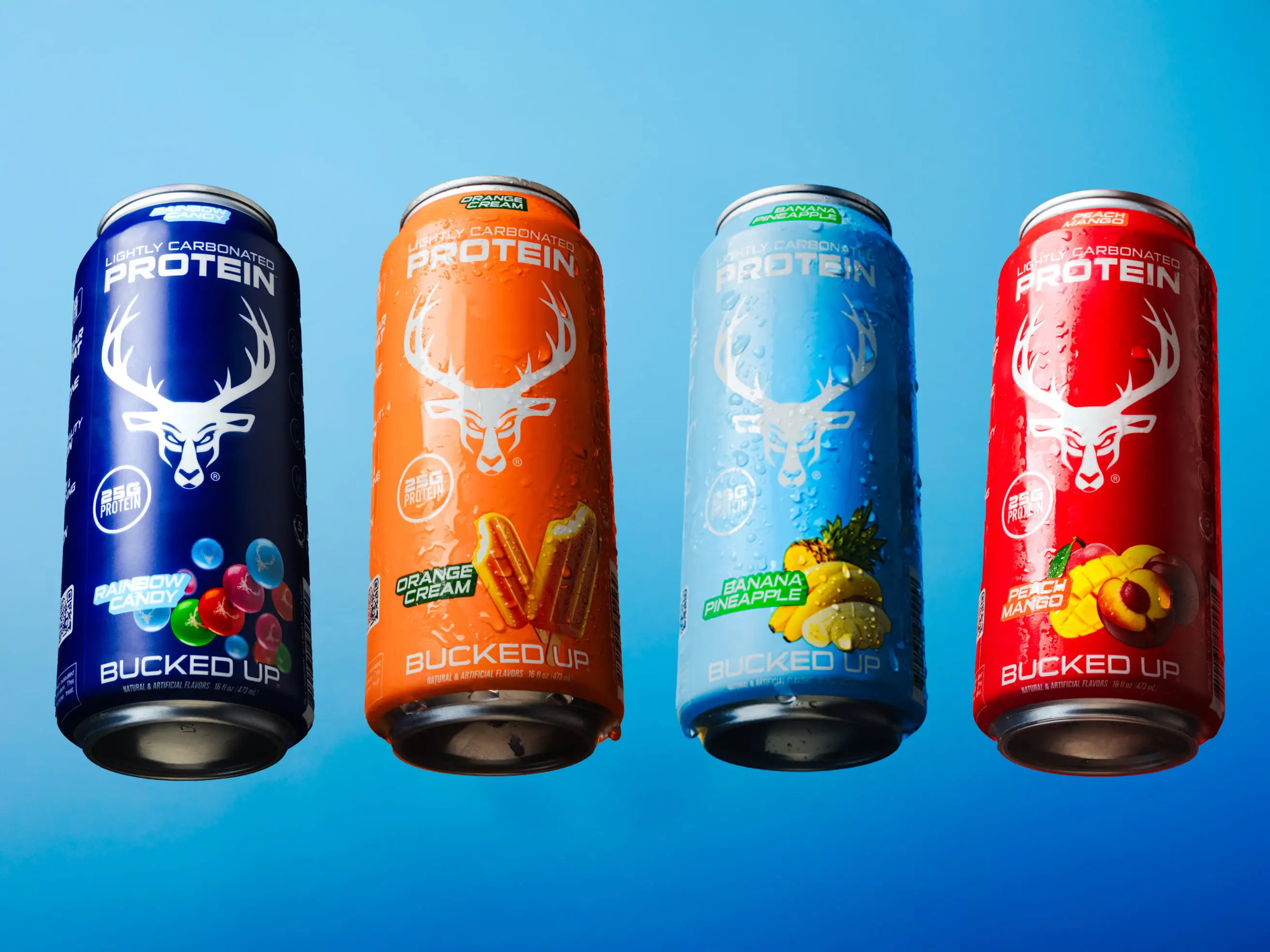
Real gym-goers notice the difference: “The protein sodas far exceeded my expectations. They taste similar to an energy drink and don’t have any weird aftertaste, as some other clear whey protein drinks do. Will definitely buy again.” That light, refreshing format feels better than thick casein shakes that sit heavy in your stomach when you want fast nutrients.
Casein vs Whey for Weight Loss: Calorie Control and GLP-1 Support
Weight loss success depends on getting enough protein without burning through your calorie budget. Whey protein soda delivers a full 25g of muscle-supporting protein in a lean, low-calorie can, while many casein powders push calories higher with added carbs. 71% of Americans actively try to consume more protein, so convenience becomes a major factor in staying consistent.
GLP-1 users face extra hurdles with reduced appetite, solid food discomfort, and the risk of losing muscle during weight loss. Whey protein soda’s liquid format goes down easily and delivers complete amino acids that help protect lean mass. Casein’s thick, pudding-like texture can feel overwhelming and may trigger nausea, while light carbonation keeps whey soda more palatable for sensitive stomachs.
One satisfied customer explains the impact: “I need to consume 130g of protein daily, and honestly, I’ve never found a product that made that goal feel this easy. Protein powders? No thanks. This drink? I could knock back multiple cans a day and actually enjoy doing it.”
Best Protein for GLP-1 Users: Whey Soda’s Liquid Edge
The GLP-1 medication boom has created huge demand for liquid protein options that support muscle while staying gentle on digestion. The same fast absorption that helps after workouts becomes even more valuable when appetite is low and every gram of protein counts. Whey protein soda fits this need by pairing complete amino acids with a light, easy-to-tolerate format.
The carbonated texture adds sensory satisfaction and makes each sip feel more like a treat than a chore. The following comparison shows how Bucked Up Protein Soda stacks up against generic casein for calorie control, digestion, and everyday usability, especially for GLP-1 users and anyone watching their intake:
|
Nutrition Factor |
Bucked Up Whey Soda |
Generic Casein |
Why Bucked Up Wins |
|
Protein Quality |
25g whey isolate |
24g micellar casein |
Higher purity, complete aminos |
|
Calories |
100 calories |
150+ calories |
Better for calorie control |
|
Absorption |
Fast |
Slow (6-7 hours) |
Immediate muscle support |
|
GLP-1 Suitability |
Light, liquid, no prep |
Thick, requires mixing |
Easier on sensitive stomachs |
Busy professionals and parents appreciate this grab-and-go setup: “These are seriously delicious! I had low expectations of flavor and was pleasantly surprised. They taste like an energy drink, but healthier and with no caffeine.”
Whey Protein Soda vs Casein: Taste, Convenience, and Real-World Feedback
Carbonation does not interfere with how your body uses protein. The light bubbles simply make the drink more enjoyable, while whey isolate still delivers amino acids quickly. Bucked Up’s carbonated format keeps the performance benefits of whey and removes many of the taste and texture issues that turn people off traditional shakes.
User testimonials consistently highlight how easy it is to drink: “I’ll be honest, I was skeptical when I saw the words ‘whey protein’ on a carbonated soda. My past experiences with protein drinks have been less than pleasant. Chalky textures, weird aftertastes, and a struggle to get them down. But Bucked Up absolutely blew me away with this one!” That kind of feedback reflects a smoother texture and cleaner finish than most casein-based options.
Many people also care about how their stomach feels after they finish a drink. Whey isolates have a strong safety record and contain very little lactose, which helps reduce digestive issues for many users. Casein can feel heavier and may cause bloating in lactose-sensitive people. Bucked Up’s clear formulation avoids the thick, milky mouthfeel that often leads to discomfort.
Try Bucked Up Protein Soda and experience the refreshing upgrade that is replacing traditional protein shakes.
FAQ: Whey Protein Soda vs Casein
Is whey protein soda better than casein for most people?
For most daily situations, whey protein soda covers more needs than casein. It fits post-workout recovery, daily protein goals, weight management, and GLP-1 support because it is fast, light, and easy to drink. Casein still has a role for slow, overnight support, but whey isolate’s versatility makes it a stronger choice for active schedules and regular use.
Which is better for GLP-1 users and diabetics: whey or casein?
Whey protein soda usually works better for GLP-1 users and many diabetics. The liquid format is easier to handle when solid food feels uncomfortable, and the quick protein delivery helps protect muscle during weight loss. Zero sugar and zero carbs support blood sugar control, while light carbonation improves taste without overwhelming sensitive digestion.
Does carbonation affect protein absorption?
Carbonation does not reduce protein absorption. The bubbles change the drinking experience, not the way your body uses amino acids. Whey protein soda still delivers rapid support for muscle recovery while solving common complaints about thick, chalky shakes.
What do Reddit users prefer: whey protein soda or casein?
Reddit fitness communities often favor whey protein soda for its flavor, convenience, and ease of use. Many users call out the energy drink-style taste, the lack of mixing or cleanup, and the smoother texture. They also report that it fits better into busy routines than casein, while still supporting recovery and daily protein intake.
Can I drink whey protein soda daily without side effects?
Most people can drink whey protein soda every day without issues. Whey isolate has very low lactose content, which helps limit digestive discomfort compared to heavier dairy-based options. The low-calorie, zero-sugar formula supports regular protein intake without adding unnecessary calories. Anyone with specific medical conditions should check with a healthcare professional, but the clean profile makes it suitable for frequent use.
Conclusion: Choose Whey Protein Soda for Everyday Wins
Bucked Up Whey Protein Soda outperforms casein on speed, taste, convenience, and GLP-1 compatibility. Casein still works for slow, bedtime support, but whey isolate’s quick delivery, refreshing carbonation, and lean formula make it the stronger choice for post-workout recovery, weight management, and daily protein goals.
Get your Bucked Up Protein Soda now for superior muscle recovery and convenient protein intake. View complete nutrition specs and join the carbonated protein movement that is replacing traditional shakes with crisp, effective muscle fuel.