Last updated: April 22, 2026
Key Takeaways: Whey, Casein, and Bucked Up Protein Soda
- Whey protein digests in about 1–2 hours and has high leucine content, which supports post-workout muscle protein synthesis more effectively than casein’s slower 6–7 hour release.1
- The post-workout anabolic window favors whey because its fast absorption spikes amino acids when muscles are most receptive to recovery.1
- Casein works better before bed, providing a slow, steady amino acid release that helps limit overnight muscle breakdown rather than meeting immediate post-exercise needs.1
- Whey isolate offers higher purity at 90%+ protein, faster digestion, fewer calories, and a lower bloating risk than concentrate, which supports efficient post-workout recovery.1
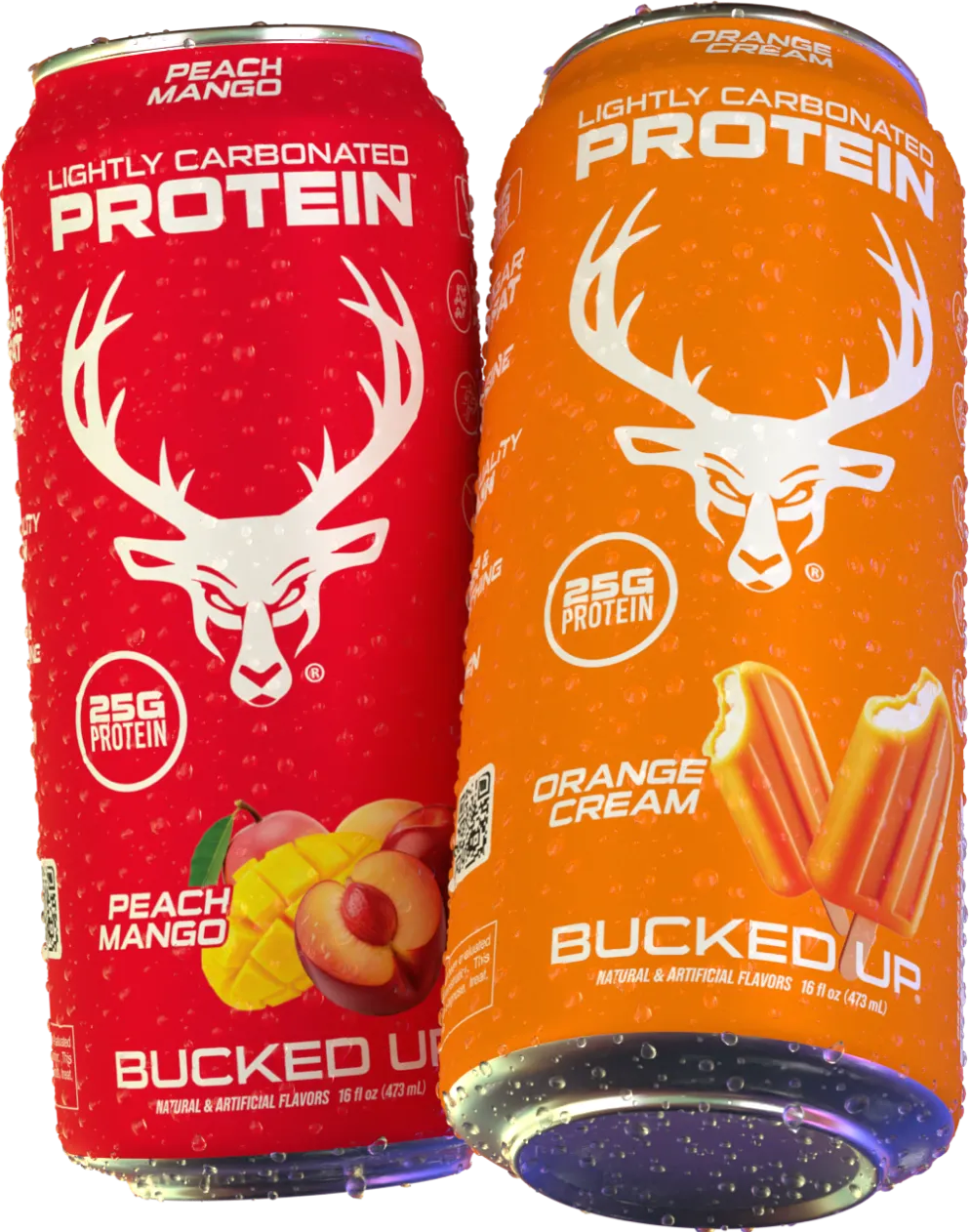
- Support your recovery with Bucked Up Protein Soda, which delivers 25g whey isolate in a refreshing, 100-calorie carbonated can.1
Whey vs. Casein After Training: Why Digestion Speed Matters
The main difference between whey and casein comes from how quickly your body absorbs them and their amino acid profiles. Whey protein digests rapidly within 30–60 minutes and contains approximately 11% leucine. In contrast, casein protein elevates blood amino acid levels for up to seven hours after ingestion because it forms a gel-like structure in the stomach.
Per 25g serving, whey protein provides approximately 2.5g leucine, while Dymatize Elite Casein provides about 2.3g leucine. This leucine edge matters because whey protein is rich in leucine and branched-chain amino acids (BCAAs), which stimulate acute muscle protein synthesis via the mTOR pathway, particularly after resistance training.1
This rapid absorption and leucine content make whey protein a strong fit for the post-exercise period, when muscles are primed for nutrient uptake and protein synthesis.1
Post-Workout Anabolic Window: How Timing Highlights Whey’s Advantage
The International Society of Sports Nutrition (ISSN) position stand recommends an optimal protein intake per serving for athletes of 0.25 g per lb of body weight or an absolute dose of 20–40 g to maximize muscle protein synthesis. This dose provides enough amino acids to trigger muscle building without wasting protein. While the anabolic window extends beyond the traditional 30-minute timeframe, exercise sensitizes muscles to protein for at least 24 hours post-exercise, with the highest muscle protein synthesis response in the first several hours. This early period is where a fast protein source makes the most impact.
Whey protein produces a rapid and pronounced increase in muscle protein synthesis (MPS) immediately post-exercise due to its fast absorption and high leucine content.1 This timing advantage makes whey a practical choice for immediate post-workout nutrition when muscles respond strongly to amino acid delivery.
Casein’s Sweet Spot: Nighttime Use Instead of Post-Workout
Casein protein digests slowly over 5–7 hours by forming a gel in the stomach, providing sustained amino acid release that reduces muscle protein breakdown during fasting periods such as overnight.1 Supporting this, Res et al. (2012) showed that consuming casein protein before sleep enhanced muscle protein synthesis rates overnight in young men.
A controlled trial also found that 45 g of whey or casein before sleep similarly increased overnight myofibrillar and mitochondrial protein synthesis compared to placebo after evening exercise. This result suggests that casein’s unique advantage may be smaller than once believed. For immediate post-workout needs, however, casein’s slow release pattern does not fully match the acute muscle protein synthesis window in the first few hours after training.
Picking a Whey Format: Why Isolate Often Fits Post-Workout Better
Different whey formats deliver different benefits. Whey protein isolate contains a minimum of 90% protein by law, which is higher than common whey protein concentrate forms that contain approximately 80% protein (WPC80). Whey Protein Isolate (WPI) goes through additional filtration to reach 90%+ protein content, remains fast-digesting, stays low in lactose, and is leaner than whey protein concentrate.
When you compare ready-to-drink options, look at absorption speed, protein purity, calorie count, and how each one feels to drink:
| Product | Protein Type/g | Calories | Texture | Absorption Speed |
|---|---|---|---|---|
| Premier Protein | Concentrate/30g | 160 | Milky/heavy | 2–3 hrs |
| Muscle Milk | Muscle Milk Genuine Protein Shake has 25g of protein from a blend derived from milk | approx. 160 | Creamy/bloat | Slower (concentrate) |
| Bucked Up | Isolate/25g | 100 | Carbonated/light | 1–2 hrs |
Whey protein isolate in clear protein digests faster than whey concentrate because it contains no fat, carbohydrates, or lactose. This profile can lower the risk of GI distress such as bloating for people who are sensitive to lactose.1
The Ideal Post-Workout Whey Option: Bucked Up Protein Soda
Bucked Up Protein Soda provides 25g of whey protein isolate in a 100-calorie, zero-sugar carbonated format that addresses common complaints about traditional protein shakes. The light, effervescent texture avoids the heavy, milky mouthfeel that can contribute to bloating or digestive discomfort after training.1 This caffeine-free formulation fits morning or evening workouts, since it will not interfere with sleep.
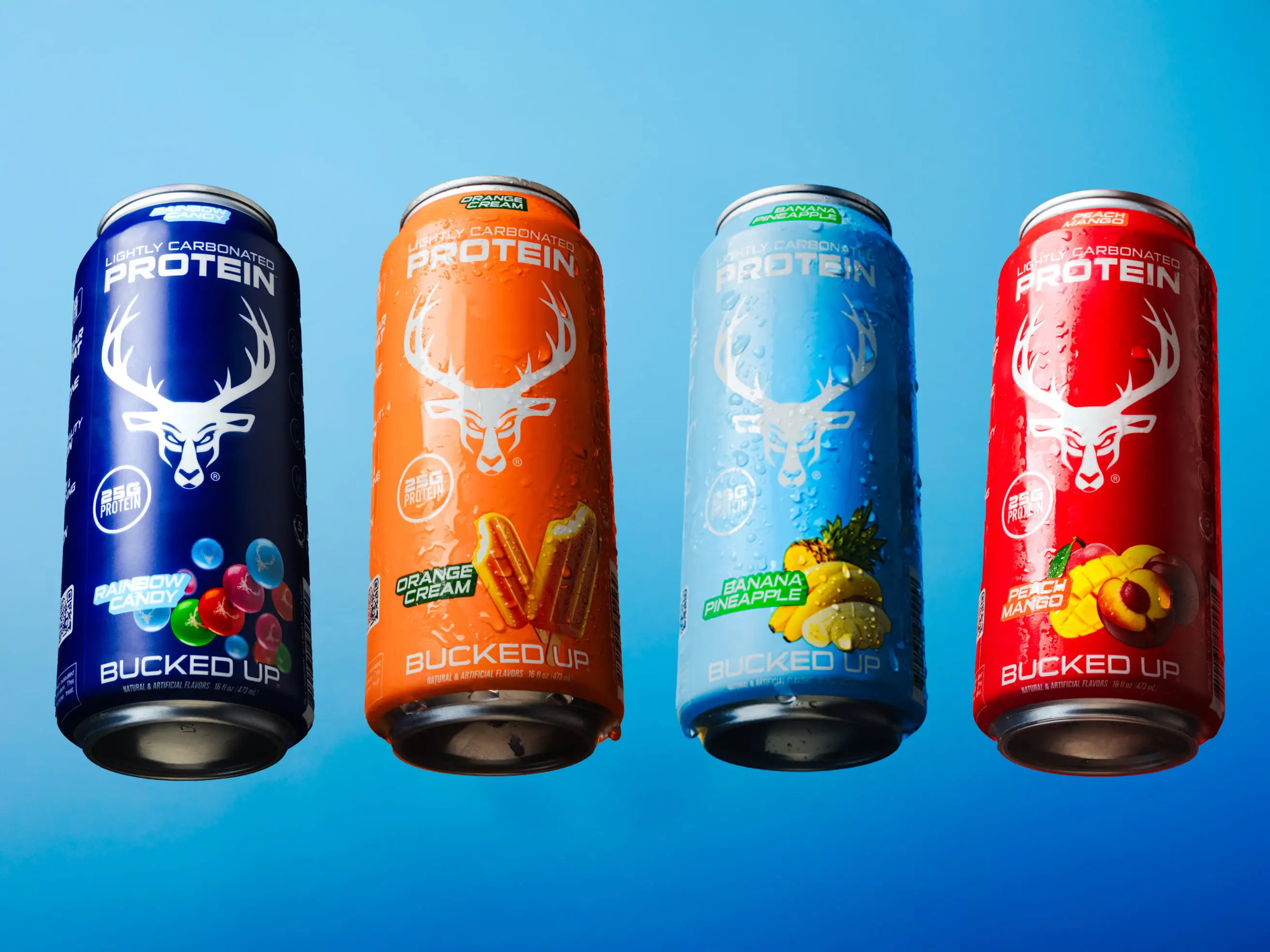
The product also fits several everyday scenarios beyond standard gym sessions. Parents with packed schedules can hit their protein targets without cooking or blending. People using GLP-1 medications who struggle with solid foods may find the liquid format easier to tolerate while still supporting muscle-preserving protein intake.1 The energy drink-like taste profile turns regular protein intake into something that feels more like a treat than a chore.
Customer feedback highlights these practical benefits: “Tastes like energy drink, no aftertaste like some other clear whey protein drinks,” “Replaced sodas, easy 130g protein daily,” and “No chalky feel, 25g tropical dream.” These comments show how the product can remove common barriers to consistent protein supplementation.
Try carbonated whey isolate for your post-workout recovery and experience a lighter alternative to heavy shakes.1
Building a Daily Protein Routine: Whey After Workouts, Casein Before Bed
Using whey protein immediately post-workout for acute MPS and casein protein before bed for sustained muscle preservation can support overall muscle growth and anti-catabolic effects.1 To make this timing strategy effective, aim for a daily protein intake of 1.2 to 1.6 grams per kilogram of body weight (0.55 to 0.73 grams per pound) as recommended by newly revised federal dietary guidelines for adults, spread across meals. When you combine adequate daily intake with targeted timing, you support both immediate post-exercise muscle protein synthesis and overnight muscle preservation.
Frequently Asked Questions
Is whey or casein better after a workout?
Whey protein digests within about 1–2 hours and provides higher leucine content than casein, which supports muscle protein synthesis more effectively during the early post-workout period. This fast absorption helps whey match the time when muscles are most receptive to amino acids for recovery and growth.1
How do whey and casein compare for muscle building?
For muscle building right after training, whey protein often fits better because of its rapid amino acid delivery and roughly 11% leucine content, which stimulates the mTOR pathway for muscle protein synthesis. Casein releases amino acids slowly over several hours, so it works well for limiting muscle breakdown during fasting periods such as overnight sleep rather than driving immediate post-exercise muscle building.
Can I mix whey and casein?
You can use both whey and casein in the same day, and separating their timing usually gives the best results. Take whey protein immediately after your workout to support rapid muscle protein synthesis.1 Then use casein before bed to provide a steady overnight amino acid supply. This approach supports both short-term recovery and longer-term muscle preservation.
How much whey protein should I take after a workout?
Most adults do well with 20–40 g of whey protein after a workout. This range supplies enough amino acids to support muscle protein synthesis without going far beyond what the body can use for recovery.1 It also delivers sufficient leucine to trigger an anabolic response while keeping calories manageable for most fitness goals.
What makes whey isolate a strong post-workout choice compared to concentrate?
As mentioned earlier, isolate’s higher purity (90%+ vs. concentrate’s 70–80%) translates to faster absorption and reduced lactose content. This profile often supports immediate post-workout muscle protein synthesis more efficiently and can lower the chance of digestive discomfort that some people experience with concentrate’s higher fat and carbohydrate content.1
Conclusion: Using Whey and Bucked Up Protein Soda for Recovery
Whey protein often outperforms casein for immediate post-workout recovery because of its rapid absorption, higher leucine content, and strong support for muscle protein synthesis during the early post-exercise window.1 Bucked Up Protein Soda can stand out by delivering 25g of whey isolate in a refreshing, carbonated format that avoids many drawbacks of traditional heavy shakes.
Get your carbonated protein soda for faster post-workout recovery and make hitting your protein target feel easier and more enjoyable.1
1 The content provided in this article is for informational purposes only and is not medical advice. Consult with a medical professional before implementing any changes to your diet, health, or exercise routines.
Individual results will vary and are based on a combination of each individual’s diet, exercise, age, and health circumstances.
These statements have not been evaluated by the Food and Drug Administration. This product is not intended to diagnose, treat, cure or prevent any disease.
This article was written by Ryan Gardner, CEO of Bucked Up. As the maker of Bucked Up Protein Soda, we have a financial interest in this information. The views expressed are our own and should be read with that context in mind.