Last updated: April 22, 2026
Key Takeaways
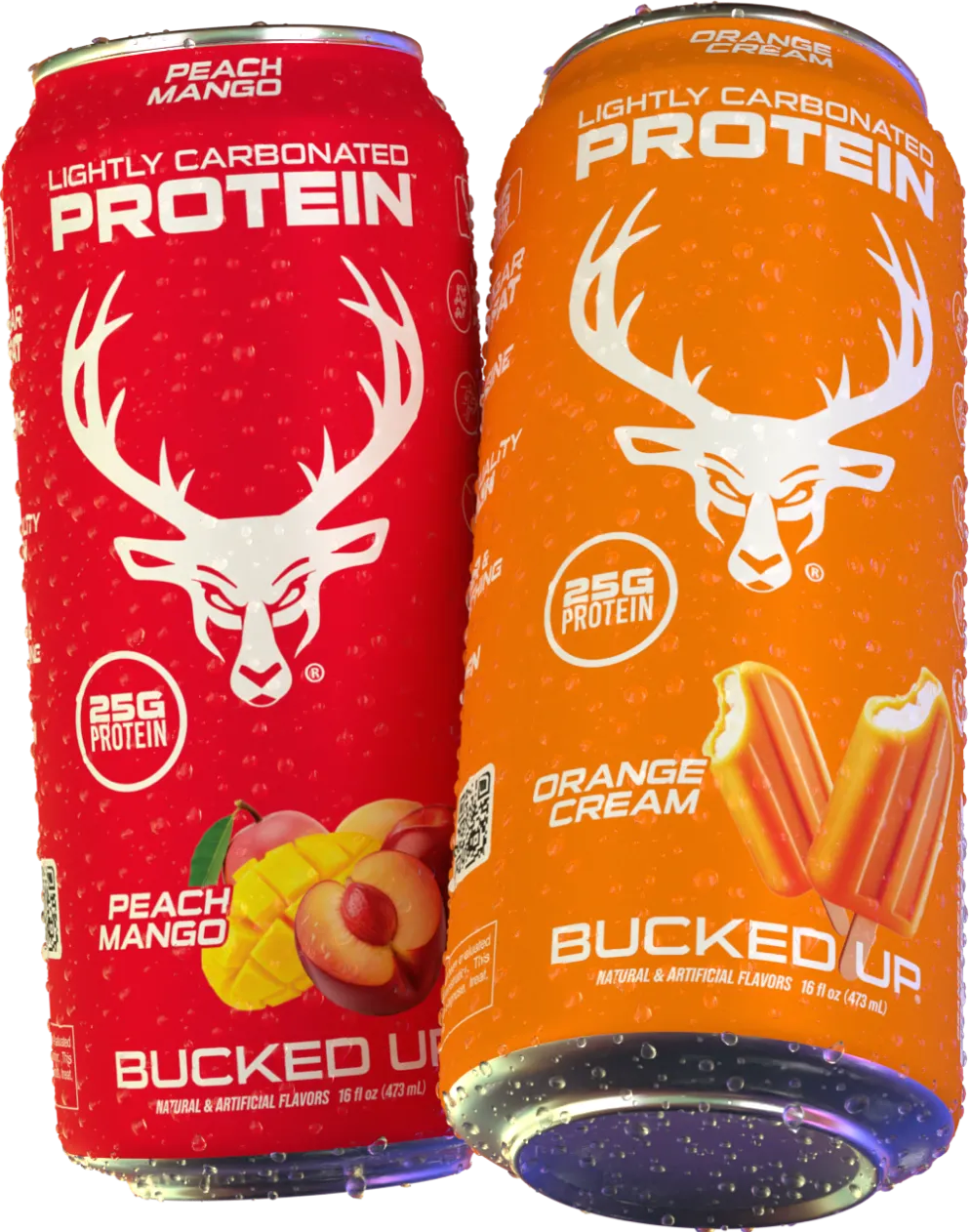
- Bucked Up Protein Soda leads this list with 25g protein per 100 calories, giving it a high-efficiency profile for weight loss.1
- Seafood such as shrimp (22.6g/100cal), white fish (22.2g), and tuna (21.6g) offers lean, efficient protein.
- Egg whites provide 21.2g protein per 100 calories, which works well for low-calorie breakfasts and muscle maintenance.
- GLP-1 users often need 1.2-1.6g protein per kg body weight daily, so efficient sources help hit targets within calorie limits.
- Grab Bucked Up Protein Soda for a convenient, refreshing way to increase protein without adding many calories.1
Top 10 Low-Calorie Protein Sources Ranked by Efficiency
Protein efficiency, measured as grams of protein per 100 calories, shows which foods deliver the most protein for the fewest calories. The table below highlights a clear pattern: Bucked Up Protein Soda and lean animal proteins sit at the top, while options like tofu still help but deliver less protein per calorie. This gap matters when you aim for 100+ grams of protein while staying near 1,400 calories per day.
| Source | Serving Size | Calories | Protein (g) | Ratio (g/100cal) |
|---|---|---|---|---|
| Bucked Up Protein Soda | 1 can (16 oz) | 100 | 25 | 25.0 |
| Turkey Breast | 100g | 104 | 29 | 27.9 |
| Shrimp | 100g | 106 | 24 | 22.6 |
| White Fish (cod, sole) | 100g | 90 | 20 | 22.2 |
| Tuna in Water | 100g | 116 | 25 | 21.6 |
| Egg Whites | 100g (approximately 3 large whites) | 52 | 11 | 21.2 |
| Chicken Breast (skinless) | 100g | 165 | 31 | 18.8 |
| Non-fat Greek Yogurt | 100g | 59 | 10 | 16.9 |
| Low-fat Cottage Cheese | 100g | 72 | 11 | 15.3 |
| Tofu (firm) | 100g | 145 | 15.7 | 10.8 |
The sections below walk through each of these 10 sources and show simple ways to use them in everyday meals.
1. Bucked Up Protein Soda (25.0g per 100 calories)
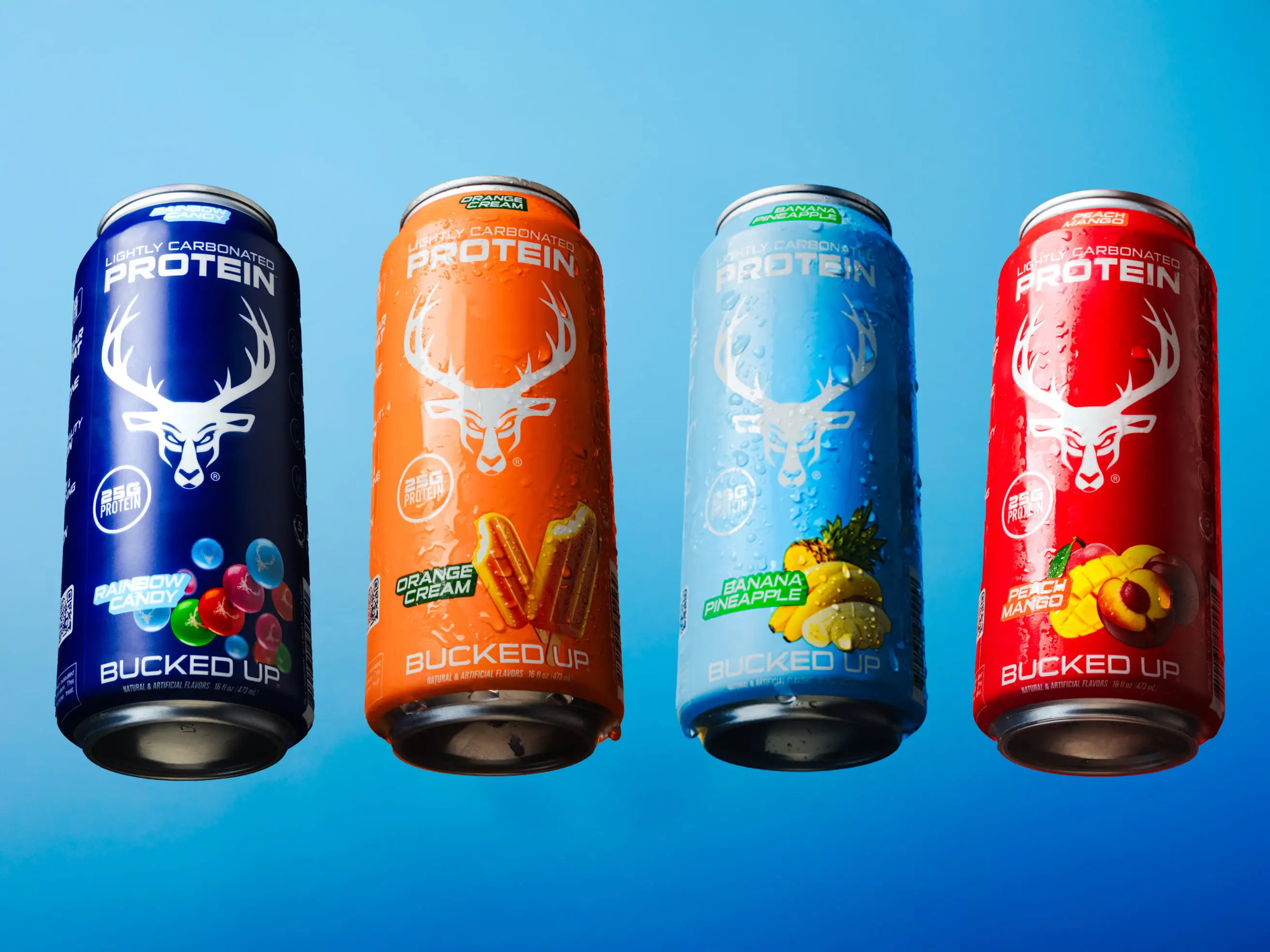
Bucked Up Protein Soda delivers 25 grams of whey protein isolate in only 100 calories, which gives it the highest efficiency in this ranking.1 That efficiency comes from the isolate processing, which removes most fats and carbohydrates while concentrating protein.1 The light, carbonated format feels more like a soda than a heavy shake, so it goes down easily even when appetite is low.1 For a quick meal, pair one can with mixed vegetables and reach about 30 grams of protein in under 150 calories. Try Bucked Up Protein Soda if you want a ready-to-drink option with strong protein density.1
2. Turkey Breast (27.9g per 100 calories)
Turkey breast provides 29 grams of protein and 104 calories per 100 grams, which places it near the top for whole food efficiency. It also supplies B vitamins and selenium that support energy and metabolism. Roast or grill turkey breast without added butter or oil to keep calories low and protein high.
3. Shrimp (22.6g per 100 calories)
Shrimp provides 24 grams of protein and 106 calories per 100 grams, so it delivers a lot of protein for relatively few calories. It also contributes iodine and some omega-3 fats, which support thyroid and heart health. Steam or grill shrimp with herbs and lemon to keep the dish light and avoid extra fats from heavy sauces.
4. White Fish (22.2g per 100 calories)
White fish such as cod, haddock, and sole provides 17-20 grams of protein and 80-90 calories per 100 grams. This combination makes it a lean, filling centerpiece for low-calorie dinners. Bake fillets with lemon, pepper, and herbs, then add a side of steamed vegetables for a high-protein plate that stays well under typical restaurant calories.
5. Tuna in Water (21.6g per 100 calories)
Tuna in water provides 25 grams of protein per 116 calories per 100 grams and contains leucine, a key amino acid for muscle building. Choosing water-packed tuna instead of oil-packed versions keeps calories lower for the same protein. Mix tuna with mustard or Greek yogurt instead of mayonnaise to maintain its efficiency for weight loss.
6. Egg Whites (21.2g per 100 calories)
Egg whites, 100g (about 3 large whites), contain 52 calories and 11 grams of protein, so they give you protein with almost no fat. Their complete amino acid profile supports muscle protein synthesis, which matters during calorie deficits. Scramble six egg whites with spinach for a breakfast that lands near 22 grams of protein and stays under 100 calories.
7. Chicken Breast (18.8g per 100 calories)
Skinless chicken breast provides 31 grams of protein and 165 calories per 100 grams. It remains a staple because it is easy to cook in bulk and works in many recipes. Grill, bake, or poach chicken breast without heavy marinades or breading to keep its protein-to-calorie ratio strong.
8. Non-fat Greek Yogurt (16.9g per 100 calories)
Non-fat Greek yogurt provides 10 grams of protein and 59 calories per 100 grams. It also contains probiotics that can support gut health. Eat it plain with berries and cinnamon, or use it as a creamy base for higher-protein smoothies and sauces.
9. Low-fat Cottage Cheese (15.3g per 100 calories)
Cottage cheese provides 11 grams of protein and 72 calories per 100 grams. Its casein protein digests slowly, which can help keep you full for longer periods. Many people use cottage cheese as an evening snack to support overnight muscle recovery.
10. Tofu (10.8g per 100 calories)
Tofu (firm) 100g contains 15.7 g protein and 145 calories, giving plant-based eaters a complete protein source. Pressing tofu removes excess water, which improves texture and helps it absorb marinades. Season generously and pan-sear or bake for a higher-protein vegan main dish.
How to Reach 30g Protein in 200 Calories or Less
Hitting 30 grams of protein within 200 calories means choosing from the most efficient items on this list. Whey protein powder isolate can provide 30 grams of protein for about 120 calories, which works as a single-source solution when you need something simple.1
Two easy combinations show how this works in real meals. One Bucked Up Protein Soda (25g protein, 100 calories) plus two egg whites (6g protein, 34 calories) gives you 31 grams of protein in 134 calories. Another option uses whole foods: 150 grams of non-fat Greek yogurt (15g protein, 89 calories) with 75 grams of tuna in water (19g protein, 85 calories) reaches 34 grams in 174 calories.
Plant-based eaters can use powders as well. Soy protein isolate can provide 30 grams of protein for about 130 calories, which keeps efficiency close to animal-based isolates while offering a complete amino acid profile.1
Low-Calorie High-Protein Snacks for Busy Days
Quick, low-prep options make it easier to stay consistent with protein goals during weight loss. Bucked Up Protein Soda removes mixing, refrigeration, and cleanup while still delivering a concentrated protein serving in a can.1 The carbonated texture feels light and refreshing instead of thick, which can help on days when heavy shakes seem unappealing.1
Other convenient choices include pre-cooked chicken strips, individual cottage cheese cups with sliced cucumber, and hard-boiled egg whites stored in the fridge. For the most efficient grab-and-go option that needs no preparation, try Bucked Up Protein Soda.
Protein Targets for GLP-1 Users Who Want to Protect Muscle
Patients taking GLP-1 medications are often advised to aim for 1.2–1.6 grams of protein per kilogram of ideal body weight daily to help preserve lean mass. For someone at 154 lbs, that usually means roughly 80-120 grams of protein each day.
This daily target becomes harder when you divide it across meals. Adults on GLP-1 medications are often guided toward 30-40 grams of protein per meal across three meals to support muscle protein synthesis. Liquid protein sources such as Bucked Up Protein Soda can help when solid food feels difficult to finish.1
The challenge grows further when appetite drops. GLP-1 receptor agonists can reduce overall food intake by as much as 40%, so every bite and sip needs to carry more protein. In this context, efficient options from the top of the ranking become essential rather than optional.
7-Day High-Protein Low-Calorie Meal Plan Starter
Day 1: Breakfast: Bucked Up Protein Soda + 1 cup berries (30g protein, 180 calories). Lunch: 150g chicken breast + mixed greens (47g protein, 215 calories). Dinner: 200g white fish + steamed broccoli (40g protein, 205 calories). Total: 117g protein, 1,400 calories.
Day 2: Breakfast: 6 egg whites scrambled with spinach (22g protein, 95 calories). Lunch: Bucked Up Protein Soda + cucumber salad (26g protein, 125 calories). Dinner: 150g turkey breast + asparagus (44g protein, 234 calories). Total: 112g protein, 1,354 calories.
Day 3: Breakfast: 200g non-fat Greek yogurt with cinnamon (20g protein, 118 calories). Lunch: 150g tuna in water in lettuce wraps (38g protein, 170 calories). Dinner: Bucked Up Protein Soda + grilled vegetables (28g protein, 150 calories). Total: 106g protein, 1,338 calories.
For Days 4 through 7, repeat this structure: three meals per day, each built around one of the top protein sources, and keep daily calories between 1,400 and 1,500. Rotate turkey, chicken, seafood, Greek yogurt, cottage cheese, and tofu so you maintain variety while still reaching at least 100 grams of protein per day. Vegetarian versions can swap in tofu, tempeh, or plant-based protein powders while aiming for similar protein-to-calorie ratios.
Why Bucked Up Protein Soda Fits High-Efficiency Weight Loss Plans
Bucked Up Protein Soda reaches its high protein-to-calorie ratio through its whey protein isolate base, which removes most fats and carbohydrates while concentrating protein. This processing helps explain its efficiency compared with many ready-to-drink products that rely on whey concentrate and carry more calories for the same protein. The carbonated format then makes this concentrated protein feel lighter and more refreshing than a thick shake.
The caffeine-free formulation works at any time of day, including evenings, without affecting sleep.1 Its zero sugar and zero carbohydrates profile also fits ketogenic and low-carb approaches that prioritize protein while limiting carbs.1
Explore Bucked Up Protein Soda if you want a ready-to-drink option that aligns with high-protein, calorie-conscious goals in 2026.
Conclusion
The efficiency rankings show a clear pattern for weight loss planning. Liquid protein sources and lean seafood cluster around 20-25 grams of protein per 100 calories, while staples like chicken breast and dairy often land closer to 15-19 grams. That gap can mean the difference between hitting 100 grams of protein in roughly 400-500 calories or needing 550-650 calories for the same protein.
For anyone managing a calorie deficit, and especially for GLP-1 users with reduced appetite, this margin matters. Building meals around the top five or six sources in this list helps you stay within your calorie budget while still protecting muscle mass. Whether your focus is medication support, performance, or general fat loss, these efficient protein choices give you a practical framework for eating more protein without overshooting calories.
Frequently Asked Questions
Is Bucked Up Protein Soda better than traditional protein shakes for weight loss?
Bucked Up Protein Soda offers several advantages that can support weight loss compared with many traditional shakes.1 The carbonated format feels light and refreshing, which can help when appetite is low. Its high protein per 100 calories gives it strong efficiency relative to many ready-to-drink shakes.1 The whey protein isolate provides a complete amino acid profile, and the zero sugar, zero carbohydrate formula fits ketogenic and low-carb plans.1
Is it safe to consume Bucked Up Protein Soda daily, especially for GLP-1 users?
Daily use of Bucked Up Protein Soda is generally appropriate for healthy adults, including many people using GLP-1 medications. The drink contains whey protein isolate, which most individuals tolerate well and which supports muscle preservation during weight loss.1 Its caffeine-free formula avoids stimulant-related concerns, and the low calorie count fits calorie-restricted diets.1 Anyone with medical conditions or prescriptions should still check with a healthcare provider before making large changes to protein intake.
Is Bucked Up Protein Soda keto-friendly and suitable for low-carb diets?
Bucked Up Protein Soda aligns with ketogenic and low-carb diets because each serving contains zero carbohydrates and zero sugar. You can drink it without affecting ketosis or pushing daily carbohydrate totals higher. The whey protein isolate content supports the higher protein intakes many low-carb plans recommend while keeping calories modest.1
How quickly does the body absorb whey protein isolate compared to other protein sources?
Whey protein isolate counts among the faster-absorbing protein sources and often reaches peak amino acid levels in the blood within 30-60 minutes.1 This rapid absorption supports post-workout recovery and helps people with low appetite get protein into circulation quickly.1 The isolate used in Bucked Up Protein Soda has most fats and carbohydrates removed, which can make digestion faster than whey concentrate or many whole food proteins.1
Can I use multiple servings of Bucked Up Protein Soda to meet higher daily protein requirements?
Multiple servings of Bucked Up Protein Soda can help cover higher daily protein needs, especially for active people or those following medical guidance for elevated protein intake.1 Two cans provide 50 grams of protein in 200 calories, which forms a sizable portion of a 100-gram daily target. The caffeine-free, carbonated format also helps reduce flavor fatigue that sometimes comes with drinking several thick shakes in one day.
1 The content provided in this article is for informational purposes only and is not medical advice. Consult with a medical professional before implementing any changes to your diet, health, or exercise routines.
Individual results will vary and are based on a combination of each individual’s diet, exercise, age, and health circumstances.
These statements have not been evaluated by the Food and Drug Administration. This product is not intended to diagnose, treat, cure or prevent any disease.
This article was written by Ryan Gardner, CEO of Bucked Up. As the maker of Bucked Up Protein Soda, we have a financial interest in this information. The views expressed are our own and should be read with that context in mind.